
Funeral
Hadith Collection
20 Hadiths
Hadith 1
1 of 20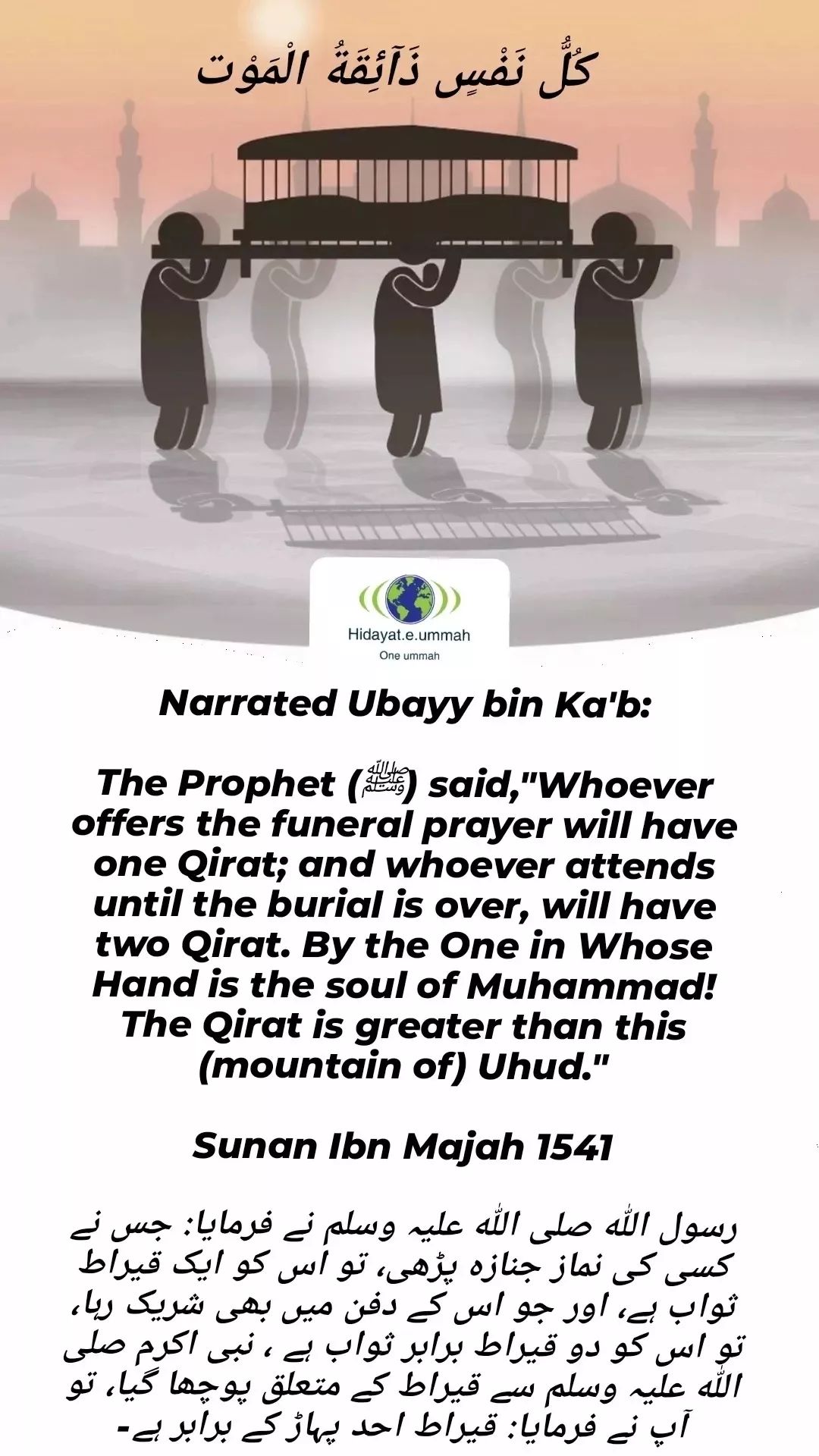
1. This hadith highlights the great reward for attending and participating in funeral prayers.
2. The Prophet Muhammad (peace be upon him) mentions that anyone who offers the funeral prayer will receive one Qirat, which is a significant reward.
3. However, if a person attends the funeral until the burial is complete, they will receive two Qirats, which is even greater than the first reward.
4. The Prophet emphasizes the value of these rewards by comparing the Qirat to the mountain of Uhud, which is known to be enormous, indicating the immense size and value of the reward.
5. This hadith encourages Muslims to attend funeral prayers and to stay until the burial is finished, as it brings great spiritual reward.
Hadith 2
2 of 20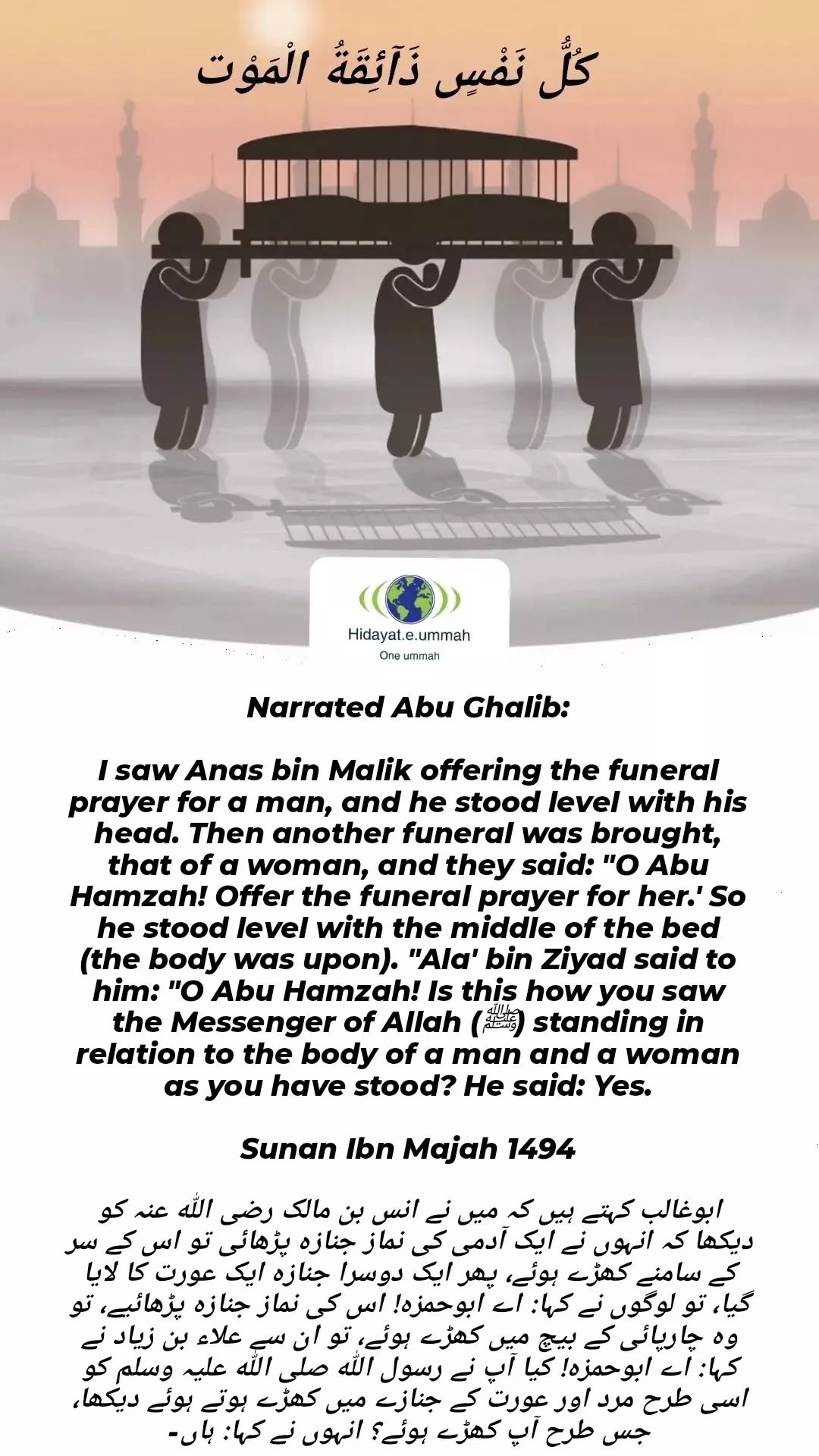
1. In this hadith, Abu Ghalib narrates an incident where he witnessed Anas bin Malik offering the funeral prayer for a man and a woman.
2. When Anas offered the prayer for the man, he stood level with the man's head, and when he offered the prayer for the woman, he stood level with the middle of the woman's body (the bed).
3. Ala' bin Ziyad asked Anas whether this was how the Prophet Muhammad (peace be upon him) used to stand during the funeral prayers for both men and women.
4. Anas confirmed that this was indeed the way the Prophet used to stand in relation to the body of a man and a woman.
5. This hadith illustrates the practice of standing at different positions based on the gender of the deceased during funeral prayers, as practiced by the Prophet Muhammad (peace be upon him).
Hadith 3
3 of 20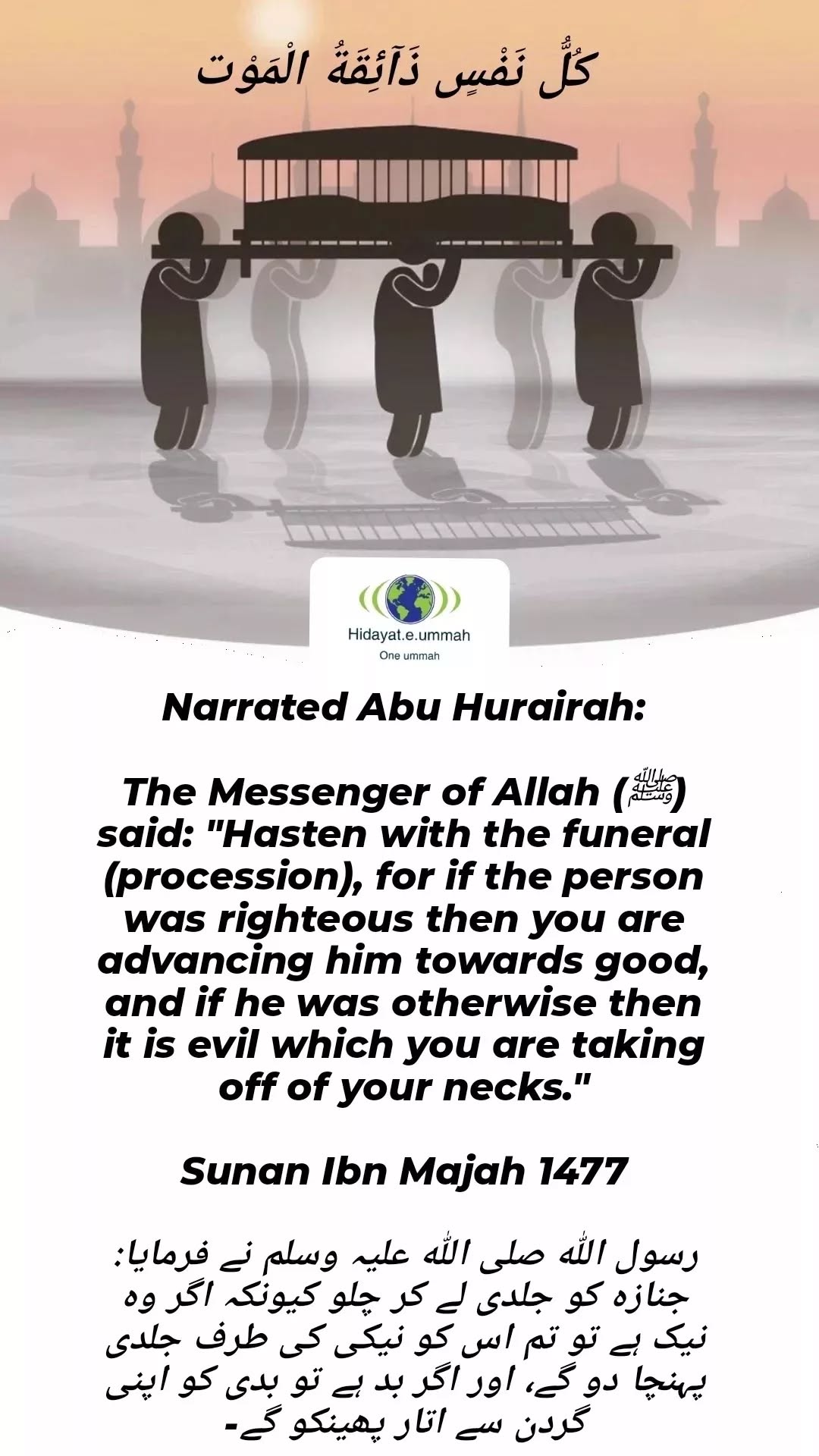
1. In this hadith, the Prophet Muhammad (peace be upon him) advises that funeral processions should be hastened.
2. If the deceased was a righteous person, hurrying the funeral is a way of advancing them towards good, as they are heading to a better place.
3. However, if the deceased was not righteous, hurrying the funeral is seen as getting rid of the burden, as the person will face punishment or suffering.
4. The purpose of hastening the funeral is to show respect and honor the deceased, whether they were good or bad, and to ensure the process is done promptly and properly.
5. This hadith reminds us that our actions towards the deceased reflect the nature of the person's life and reminds us to act quickly and respectfully in all situations.
Hadith 4
4 of 20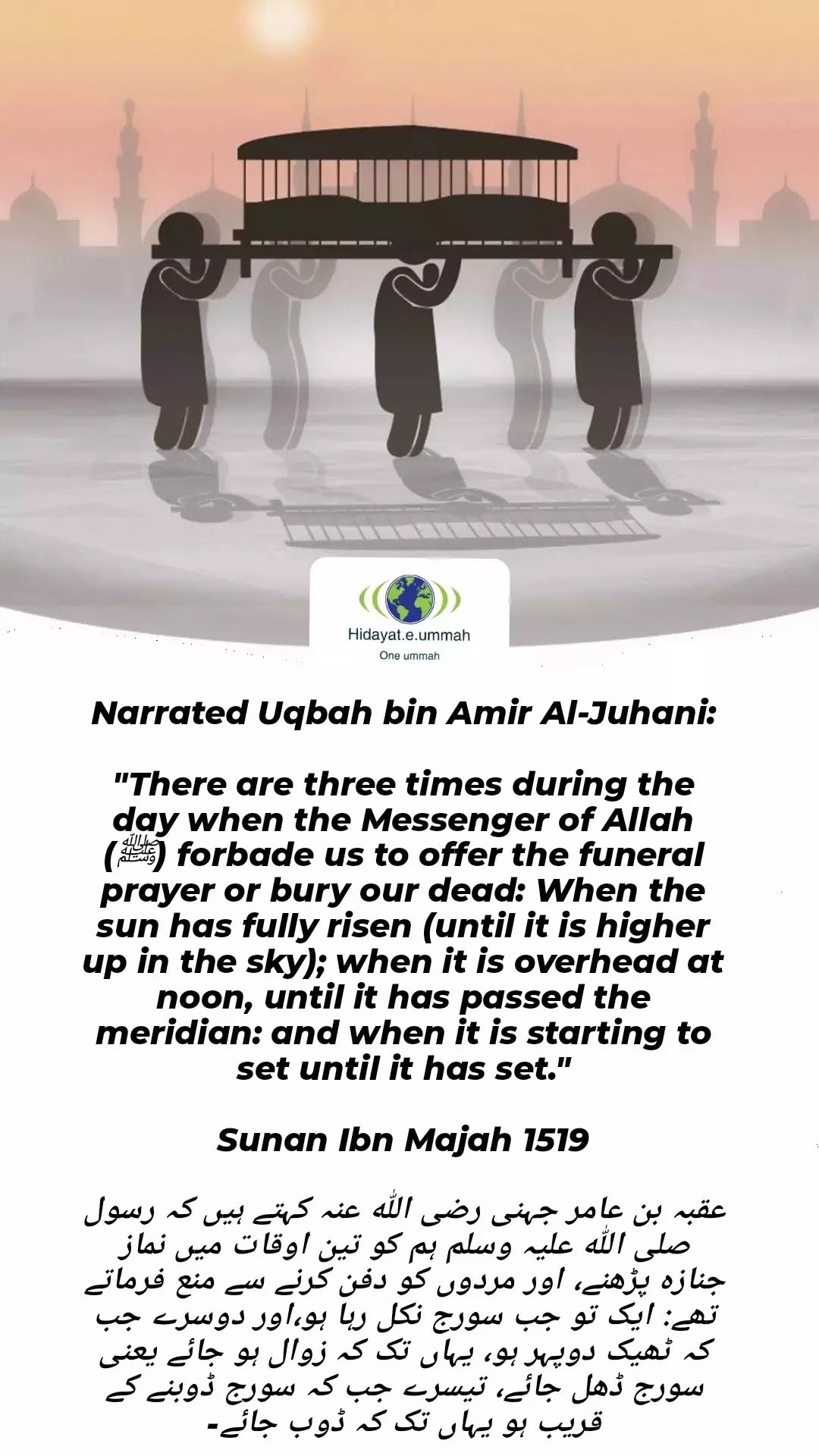
1. In this hadith, the Prophet Muhammad (peace be upon him) instructed that there are specific times during the day when it is forbidden to offer the funeral prayer or bury the deceased.
2. The first time is when the sun has fully risen and is still low in the sky. This period is considered unsuitable for such actions.
3. The second time is when the sun is directly overhead at noon, before it starts to move toward the west, which is also a time not recommended for funerals or burial.
4. The third time is when the sun is beginning to set until it has completely set, as it is considered an unfavorable time for funeral rites.
5. These prohibitions are to ensure that funeral prayers and burials are done at times that are considered more appropriate, and to avoid carrying out such tasks during these particular moments of the day.
Hadith 5
5 of 20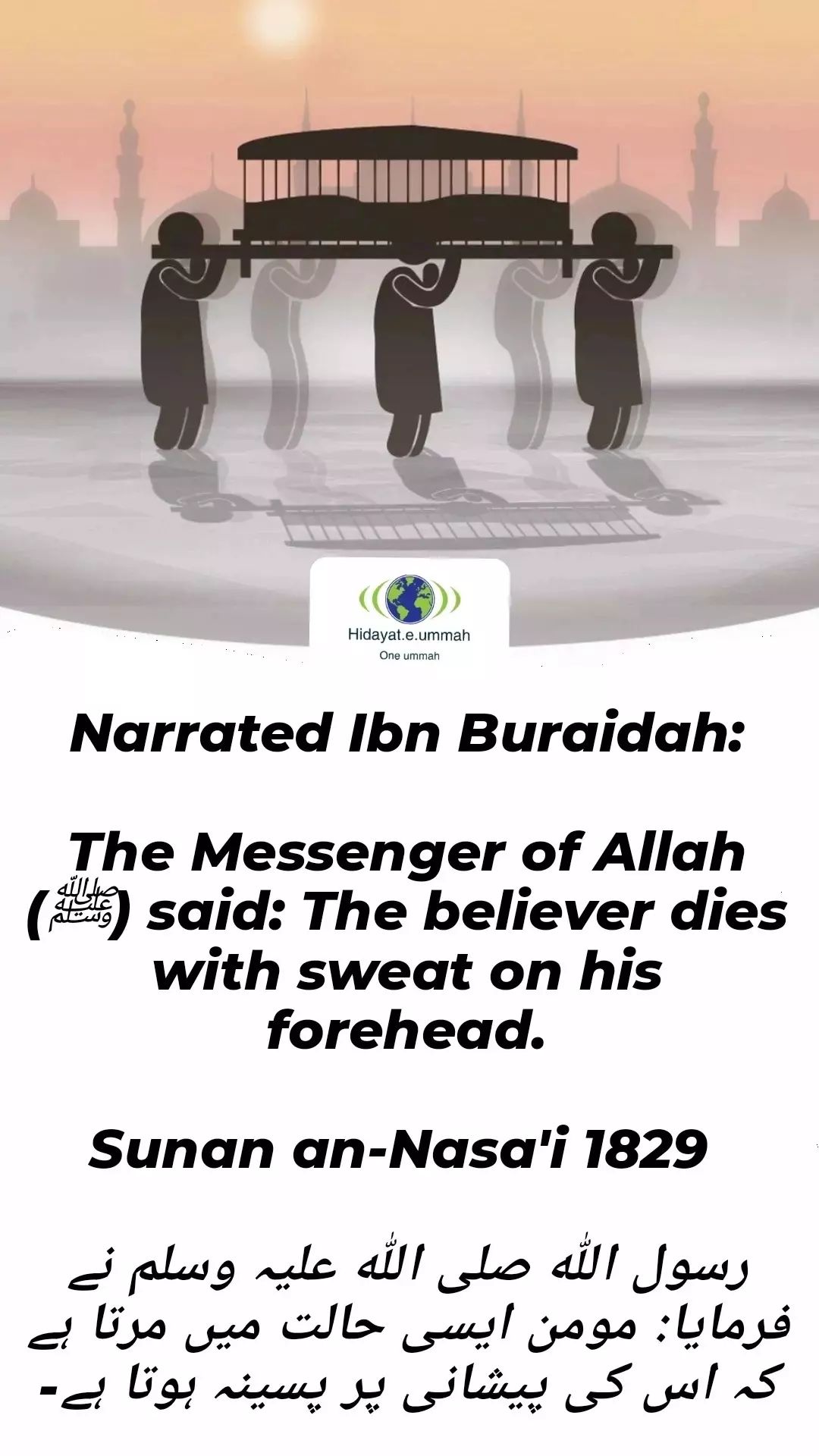
1. This hadith tells us that when a believer passes away, it is often marked by a sign of effort or struggle, symbolized by sweat on the forehead.
2. The sweat on the forehead is a metaphor for the believer's struggles in life and their efforts in worship and good deeds.
3. The hadith highlights that the believer's death is a sign of their endurance and commitment to faith, and that their efforts in the path of Allah are recognized.
4. This also reflects the idea that death for a believer is not the end of their efforts, but a culmination of their perseverance and devotion to Allah's commands.
Hadith 6
6 of 20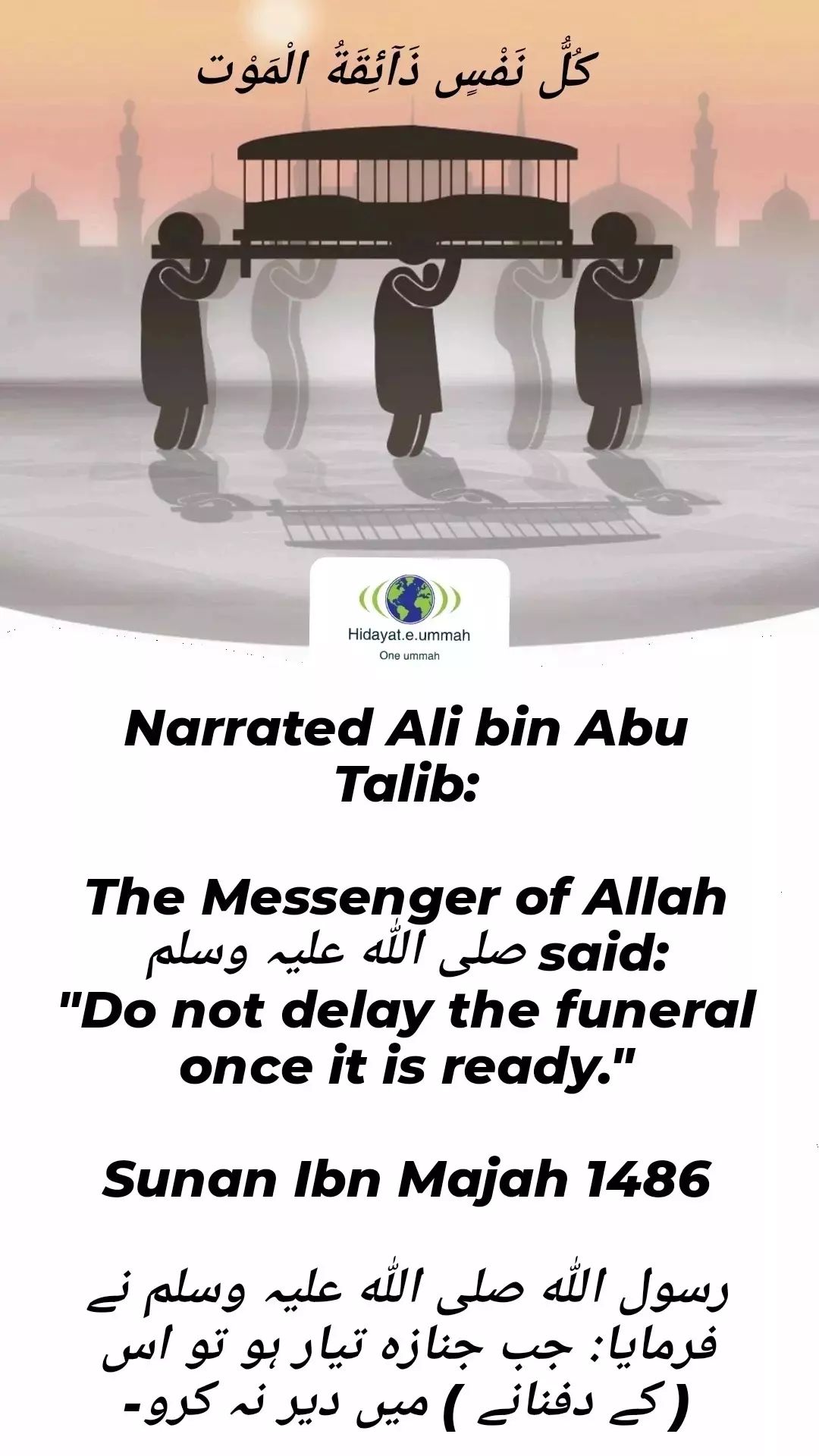
1. This hadith emphasizes the importance of not delaying a funeral once preparations are made.
2. The Prophet Muhammad (peace be upon him) encourages that when a person has passed away and the funeral arrangements are ready, the burial should be conducted without unnecessary delay.
3. This reflects the importance of showing respect for the deceased and fulfilling their rights swiftly.
4. Delaying a funeral can cause unnecessary distress or inconvenience, and by hastening the process, the deceased is treated with the dignity and respect they deserve.
Hadith 7
7 of 20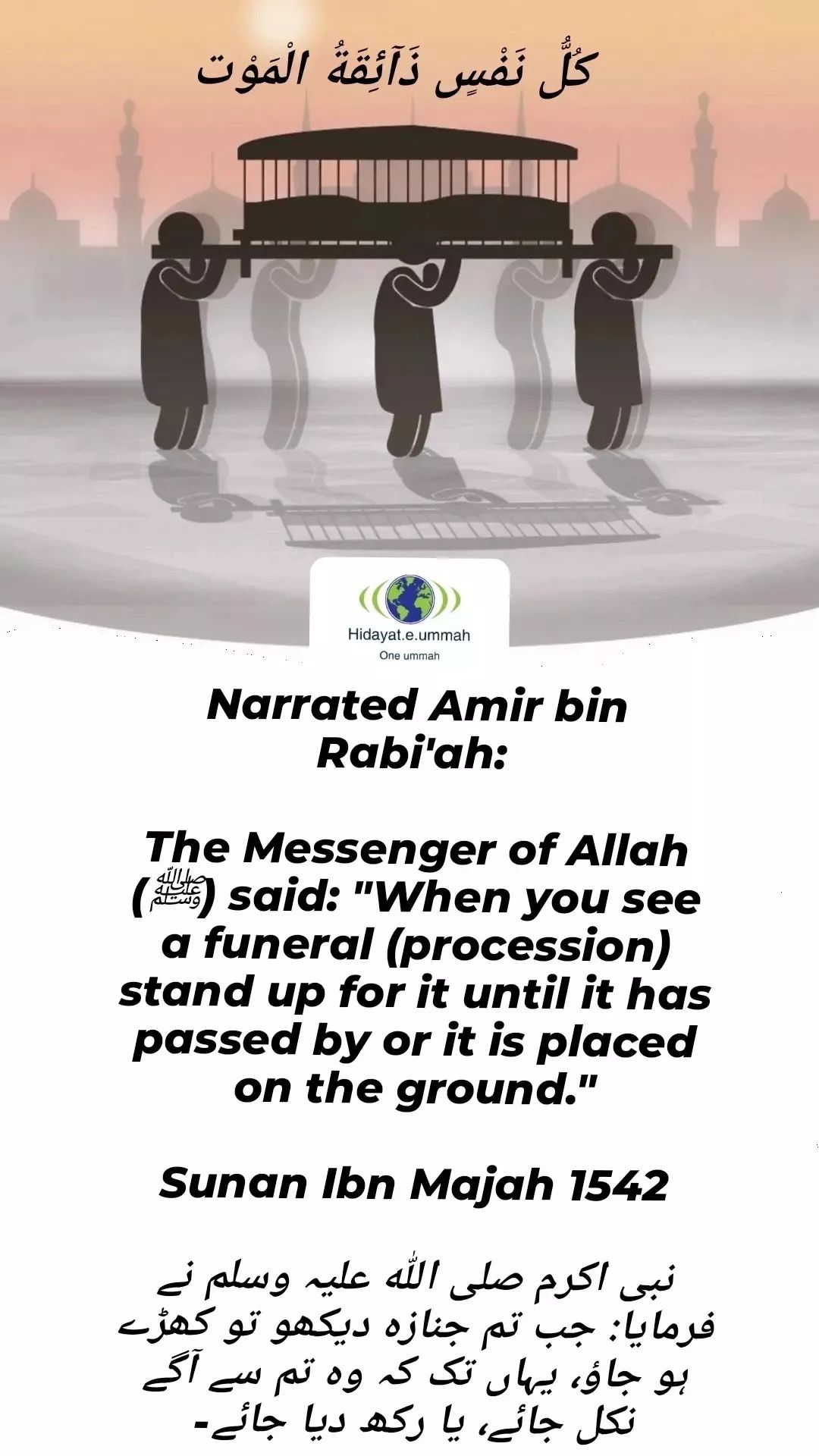
1. This hadith teaches that when a funeral procession passes by, Muslims are encouraged to stand up as a sign of respect for the deceased.
2. The Prophet Muhammad (peace be upon him) instructed that one should remain standing until the procession has passed or the deceased is placed in the grave.
3. Standing for the funeral procession shows reverence for the person who has passed away and acknowledges the reality of death.
4. This act of respect is an important part of Islamic etiquette, reinforcing the value of honoring the deceased and reminding the living of the reality of death.
Hadith 8
8 of 20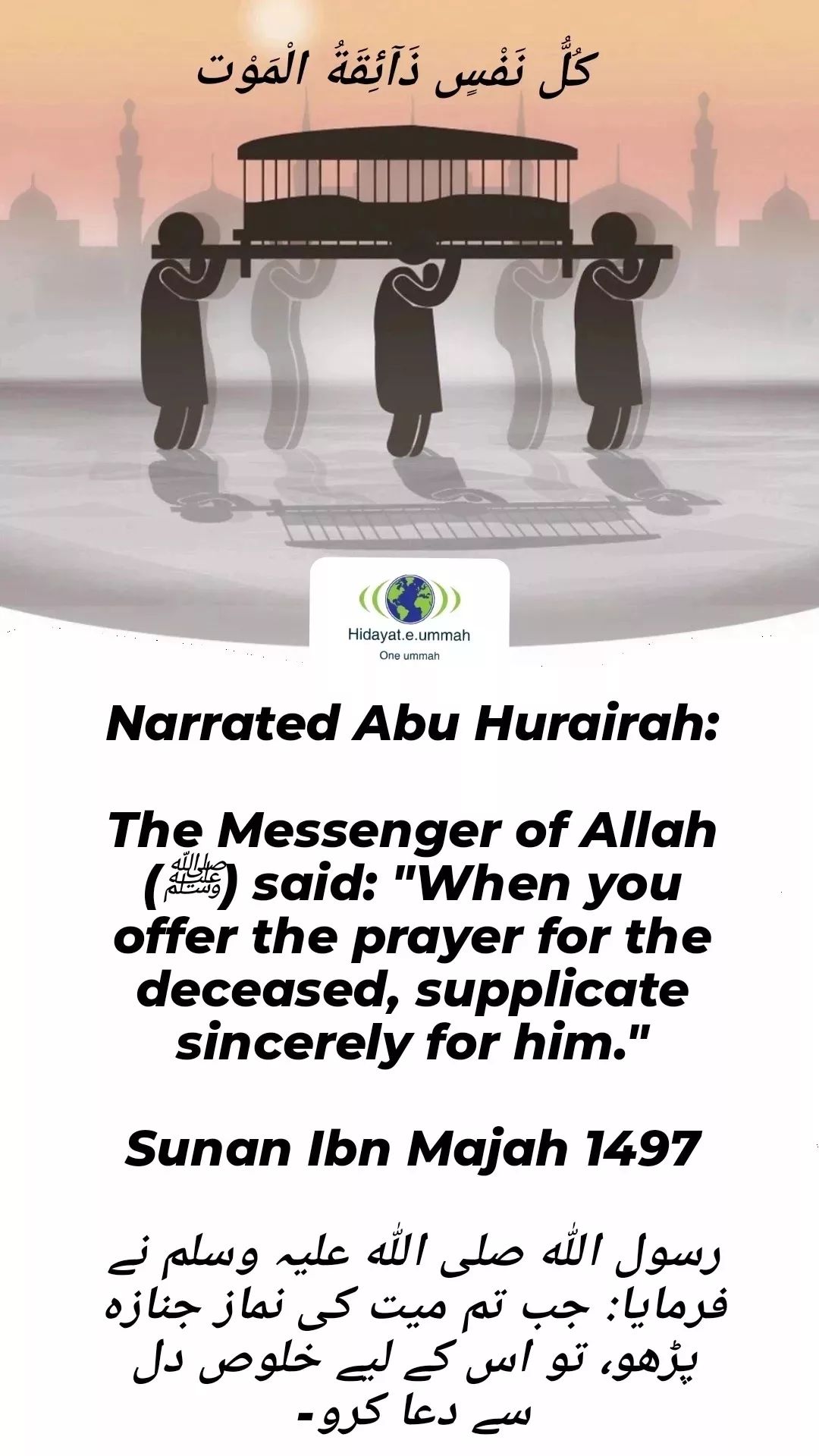
1. This hadith emphasizes the importance of sincerity when making supplications (du'a) for the deceased during the funeral prayer.
2. The Prophet Muhammad (peace be upon him) encouraged believers to make genuine and heartfelt prayers for those who have passed away.
3. When offering the funeral prayer, Muslims should not merely recite words but should sincerely ask Allah to forgive the deceased and grant them peace.
4. This highlights the significance of prayer in helping the deceased in their journey and seeking Allah's mercy for them.
Hadith 9
9 of 20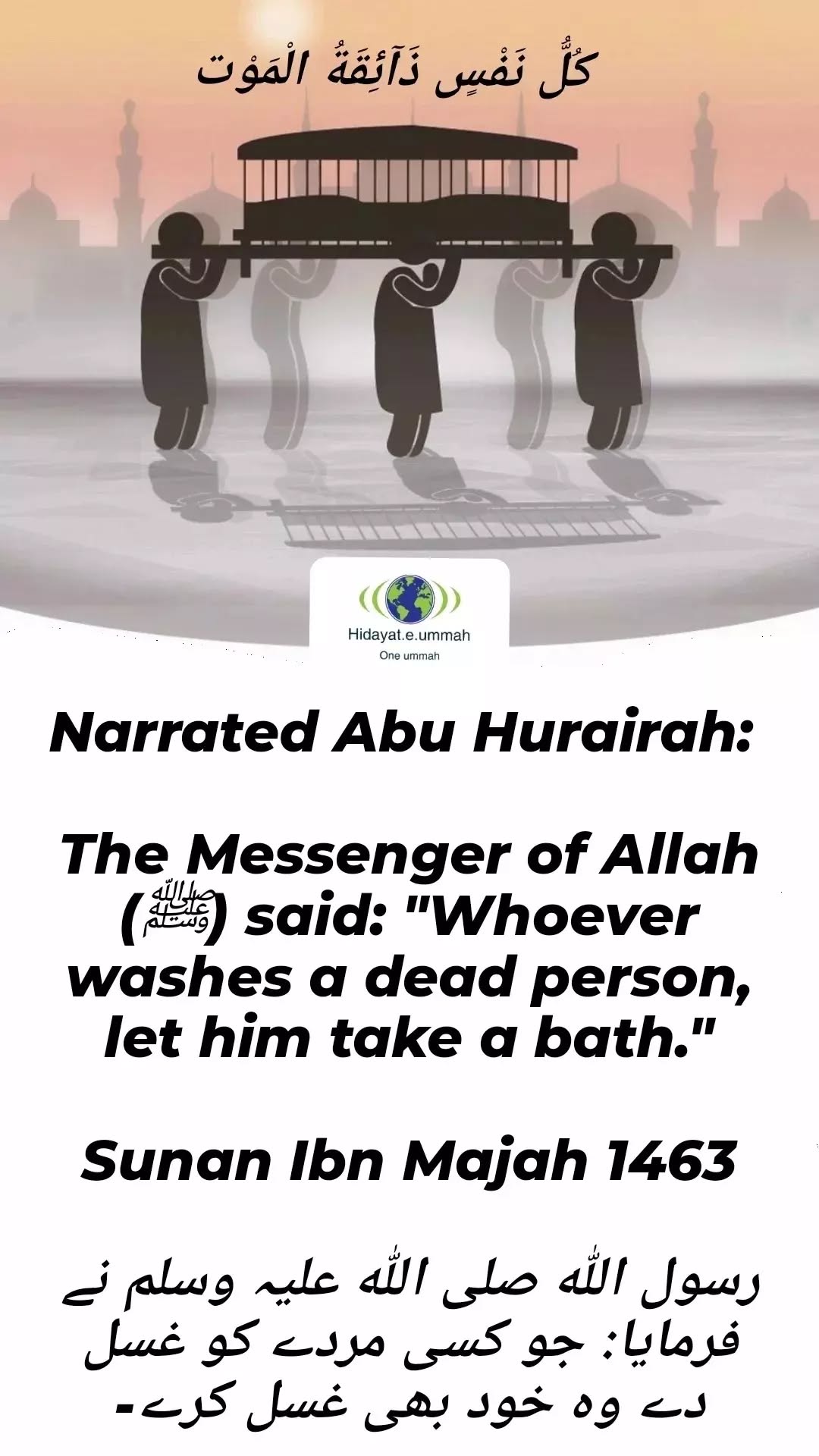
1. This hadith narrates an incident where Anas bin Malik, a companion of the Prophet Muhammad (peace be upon him), offered the funeral prayer for a man and a woman.
2. In the first case, when he offered the prayer for the man, he stood level with the head of the deceased.
3. When another woman’s body was brought, Anas stood level with the middle of the bed, where the body was placed.
4. Ala' bin Ziyad questioned Anas about whether this was how the Prophet Muhammad (peace be upon him) had stood for both the man and the woman.
5. Anas confirmed that this was indeed how the Prophet had stood, indicating that there was no specific difference in the standing position for the funeral prayer based on the gender of the deceased.
6. The hadith reflects the practice and consistency of funeral prayer rites as demonstrated by the Prophet Muhammad (peace be upon him).
Hadith 10
10 of 20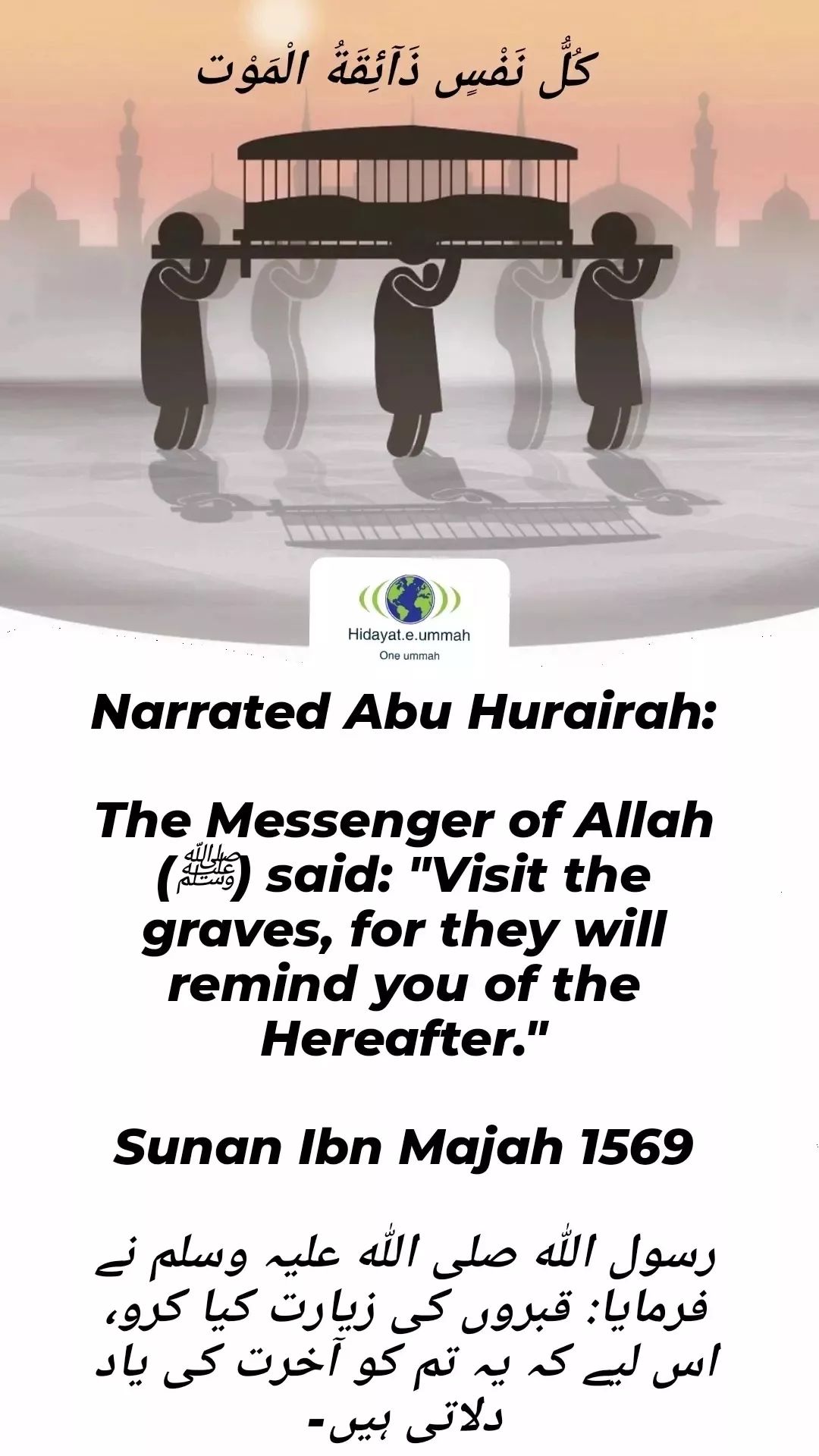
1. This hadith advises that the funeral procession should be hastened or completed without unnecessary delay.
2. The Prophet Muhammad (peace be upon him) explained that if the deceased was a righteous person, then hurrying with the funeral is a way of advancing them towards goodness and rewards in the Hereafter.
3. On the other hand, if the deceased was someone who lived unrighteously, then hastening the funeral procession is a way of removing the evil and burden from the community.
4. The hadith emphasizes the importance of speed in handling the funeral to respect the deceased and to avoid delays, while also highlighting the spiritual impact of the deceased's life.
Hadith 11
11 of 20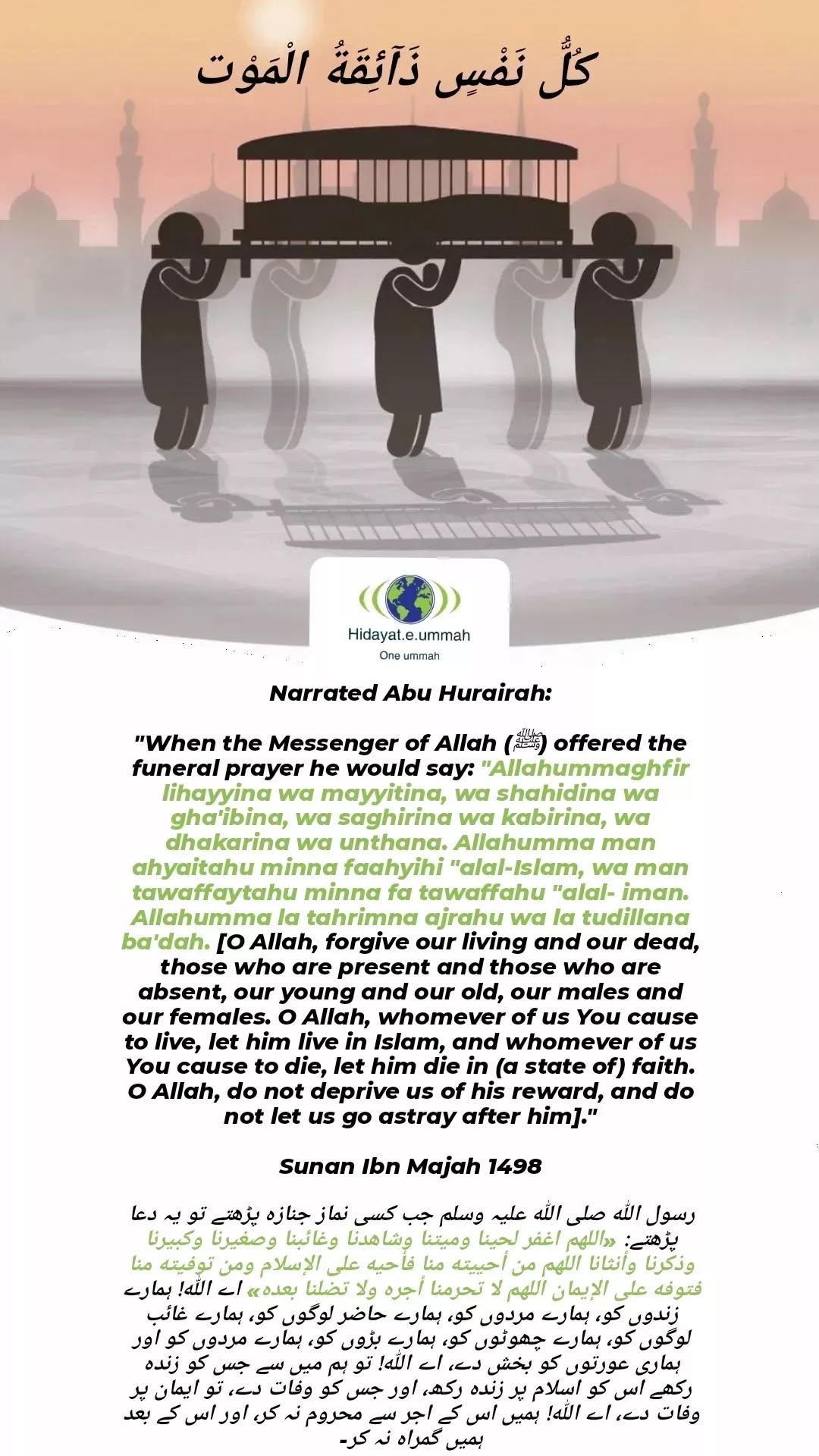
1. This hadith mentions three specific times of the day when the Prophet Muhammad (peace be upon him) forbade offering funeral prayers or burying the deceased.
2. The first time is when the sun has fully risen and is still low in the sky, until it has risen higher. This is considered an inauspicious time for funeral rituals.
3. The second time is when the sun is directly overhead at noon, which is the peak of the day, and continues until it has passed its zenith or highest point.
4. The third time is when the sun is beginning to set, continuing until it has fully set. This period is also discouraged for burial or funeral prayers.
5. The reason for these prohibitions is to avoid performing funeral rites during times of day considered unfavorable in Islamic tradition.
Hadith 12
12 of 20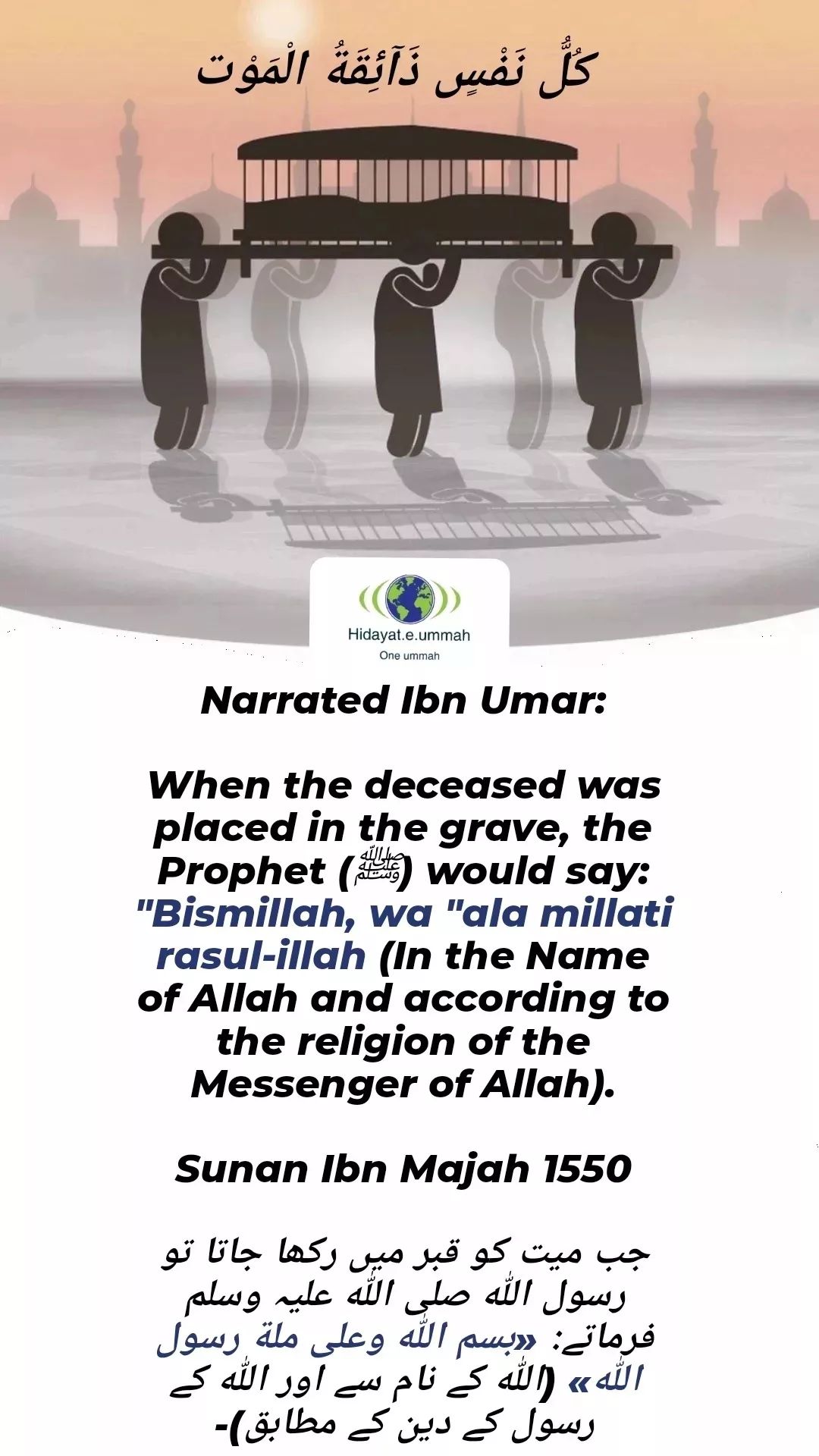
1. This hadith describes the practice of the Prophet Muhammad (peace be upon him) when placing a deceased person in their grave.
2. When the deceased was laid in the grave, the Prophet (peace be upon him) would say the words: 'Bismillah' (In the Name of Allah) and 'wa 'ala millati rasul-illah' (and according to the religion of the Messenger of Allah).
3. The phrase 'Bismillah' signifies beginning the act with the blessing of Allah, seeking His mercy and protection.
4. The words 'wa 'ala millati rasul-illah' show the connection to the way of life followed by the Prophet Muhammad (peace be upon him), indicating that the deceased is laid to rest in accordance with Islamic teachings.
5. This practice emphasizes the importance of invoking Allah's name and adhering to the path of the Prophet Muhammad (peace be upon him) at the time of death and burial.
Hadith 13
13 of 20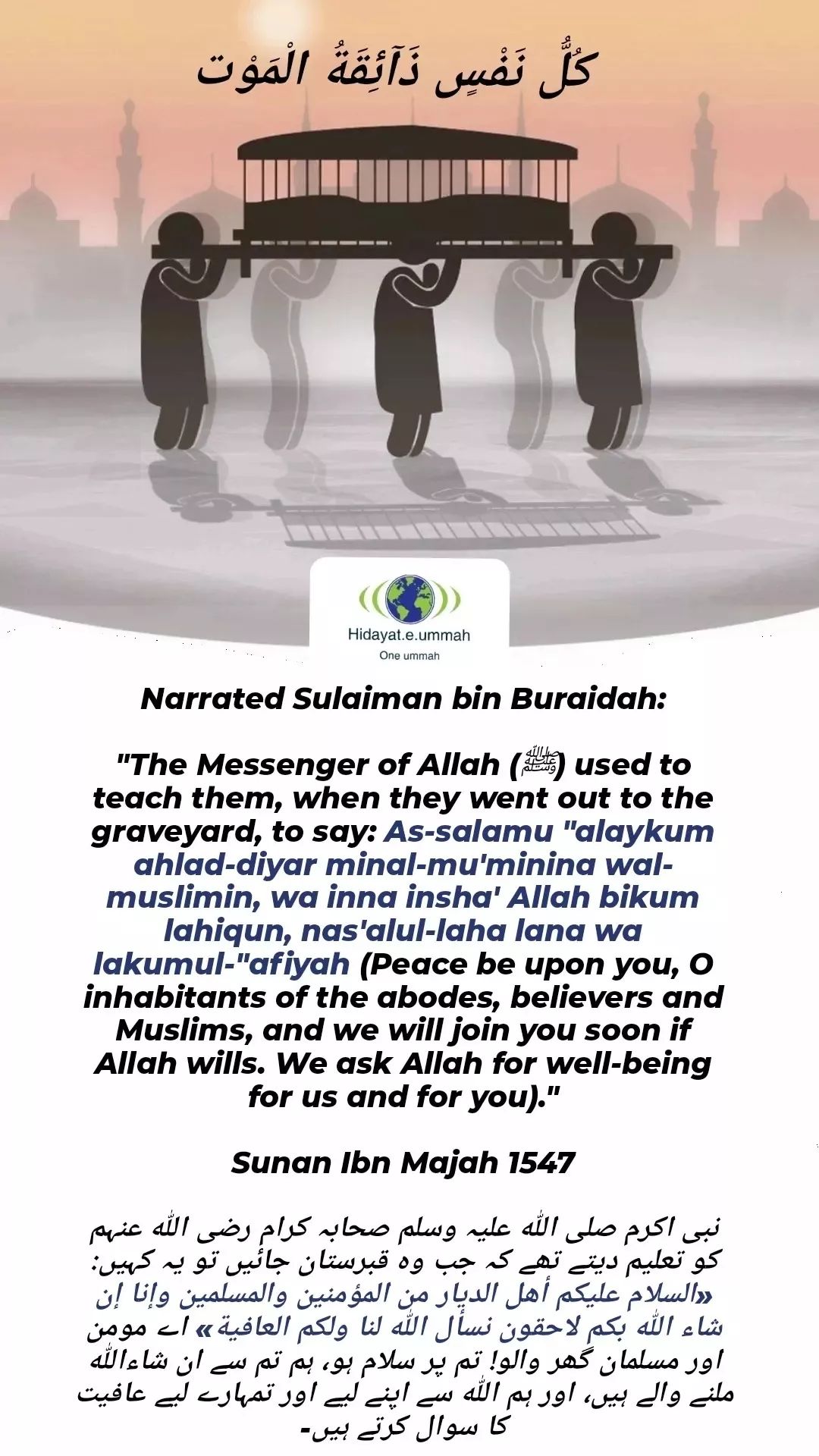
1. This hadith describes the words the Prophet Muhammad (peace be upon him) taught to say when visiting a graveyard.
2. The Prophet (peace be upon him) instructed them to say: 'As-salamu 'alaykum ahl al-diyar min al-mu'minin wal-muslimin' (Peace be upon you, O inhabitants of the abodes, believers and Muslims), which is a greeting to the souls of the deceased who are believers and Muslims.
3. Then, they are to add: 'Wa inna insha' Allah bikum lahiqun' (and we will join you soon if Allah wills), expressing the understanding that death is inevitable and we too will eventually return to Allah.
4. The phrase 'Nas'alul-laha lana wa lakumul-'afiyah' (We ask Allah for well-being for us and for you) is a prayer asking Allah to grant both the living and the deceased safety and well-being.
5. This prayer reflects the connection between the living and the deceased, acknowledging the reality of death while also seeking Allah's mercy and protection for all.
Hadith 14
14 of 20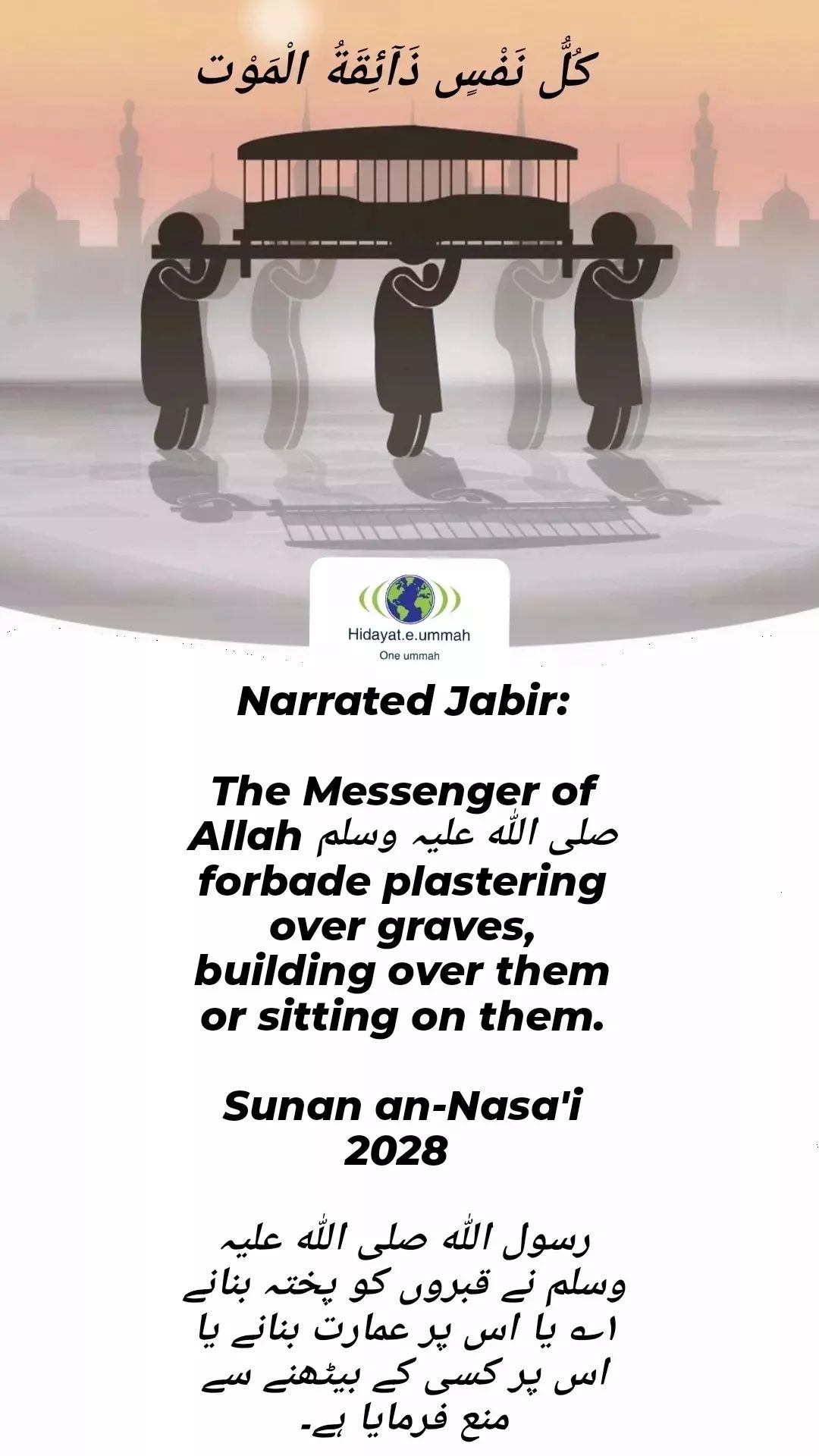
1. This hadith conveys the instructions of the Prophet Muhammad (peace be upon him) regarding the treatment of graves.
2. The Prophet (peace be upon him) forbade plastering over graves, which means one should not cover or make a smooth surface over graves as a form of decoration or marking.
3. Building over graves is also prohibited, meaning constructing any structures or buildings on top of graves is not allowed.
4. Sitting on graves is also forbidden. This is out of respect for the deceased and the sanctity of the grave.
5. The essence of this hadith is to maintain the respect for the graves and the deceased, avoiding any actions that could be seen as disrespectful or excessive in relation to the graves.
Hadith 15
15 of 20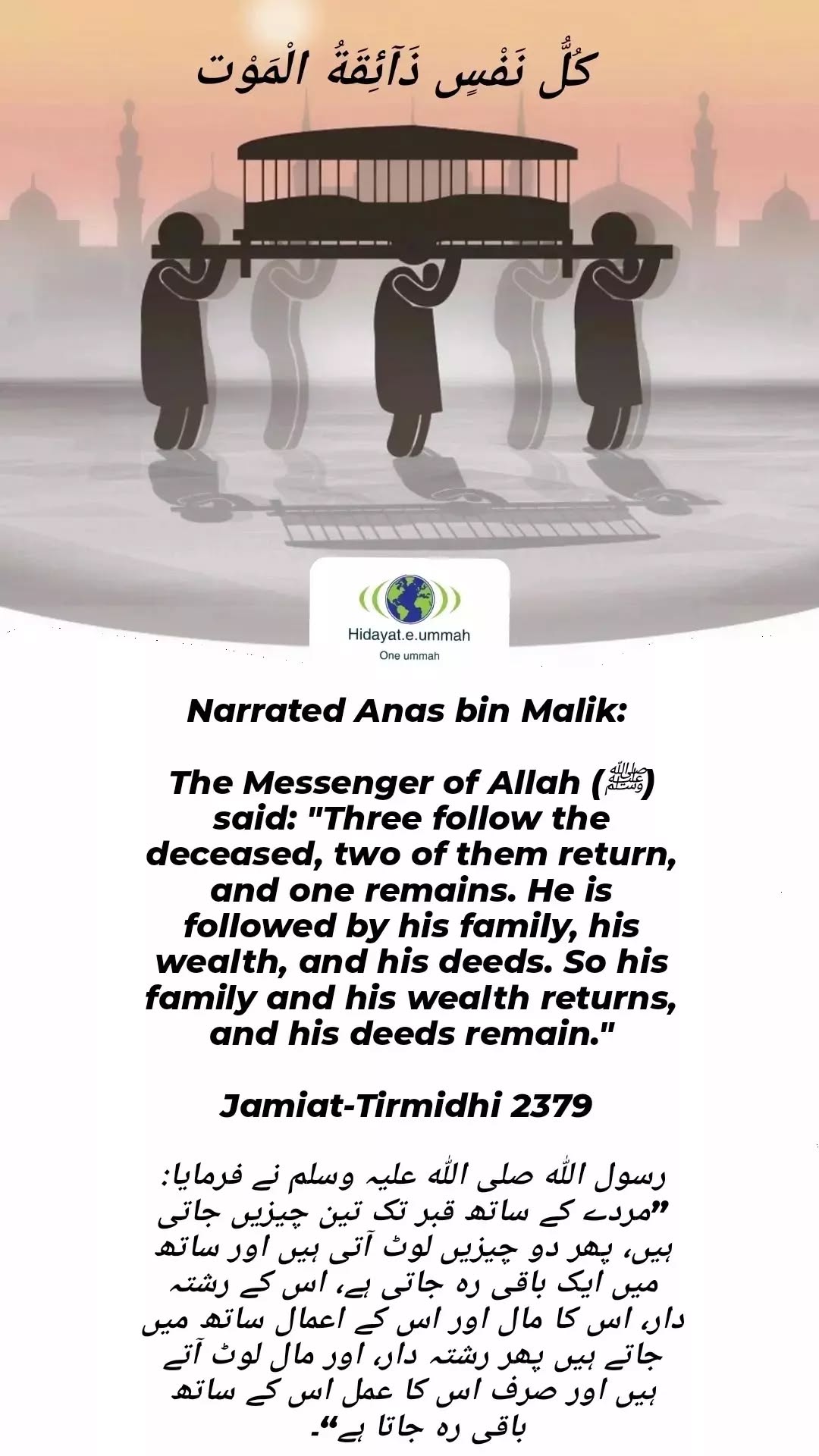
1. This hadith explains what happens after a person passes away, focusing on what 'follows' the deceased.
2. Three things follow the deceased to the grave: his family, his wealth, and his deeds.
3. However, two of these things return: his family and his wealth. They return because, after the burial, they continue with their lives.
4. The one thing that remains with the deceased is his deeds. These are the actions he performed during his lifetime, and they will accompany him in the grave.
5. The key message is that, in the end, what truly matters is one's deeds, as they are the only thing that will remain with a person after death.
Hadith 16
16 of 20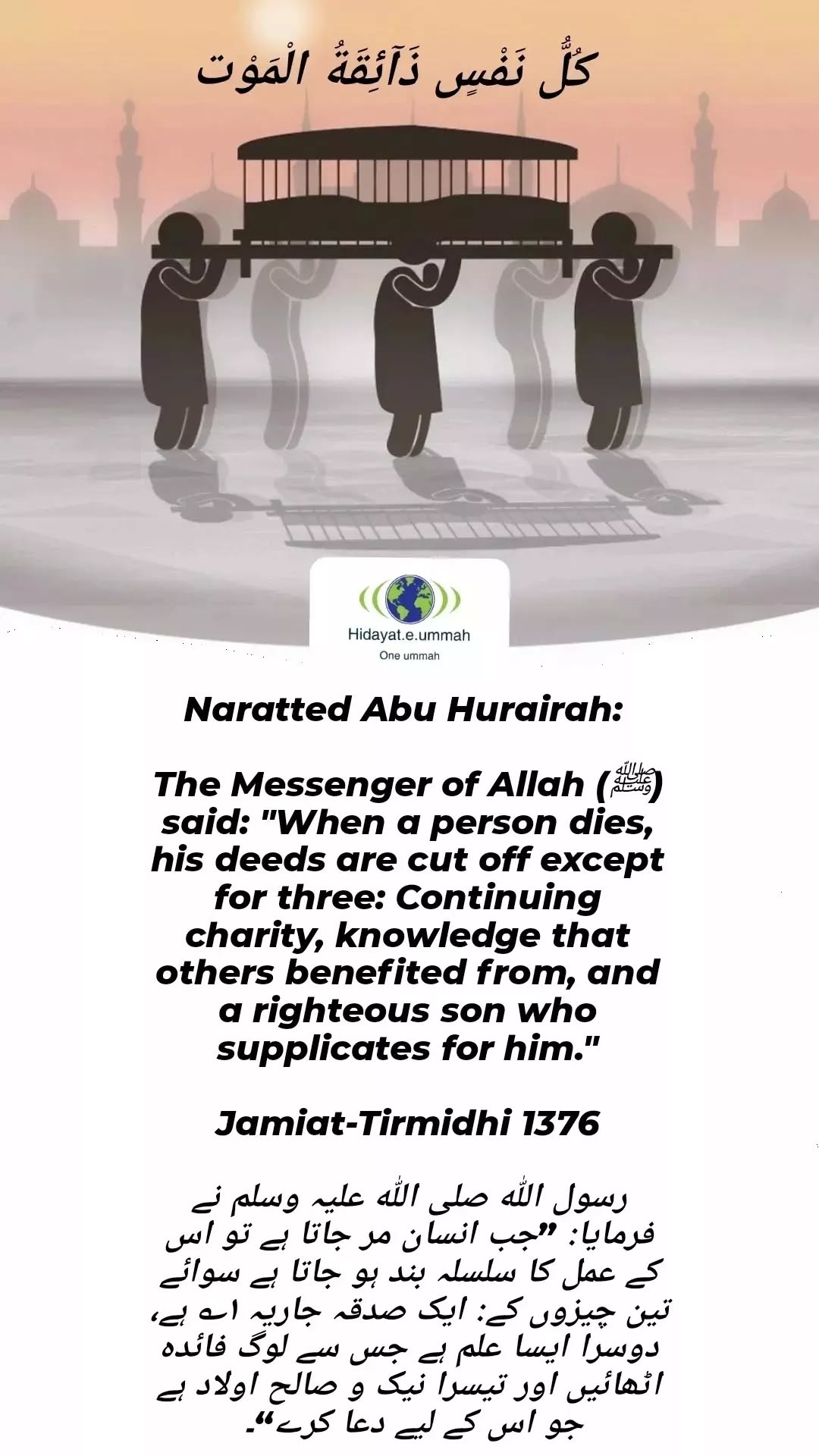
1. This hadith explains that when a person passes away, their actions and deeds come to an end, meaning they can no longer earn rewards from new deeds.
2. However, there are three things that will continue to benefit the deceased after their death:
3. The first is continuing charity. This refers to acts of charity that have lasting benefits, such as building a well or supporting an educational institution.
4. The second is knowledge that others benefit from. If a person taught something beneficial or shared knowledge that others continue to use, they will continue to receive rewards.
5. The third is a righteous child who prays and asks Allah for mercy and forgiveness for the deceased. The prayers of a good child can benefit the parent even after death.
6. The hadith emphasizes that some deeds can provide ongoing rewards even after death, specifically those that have a lasting impact or help others.
Hadith 17
17 of 20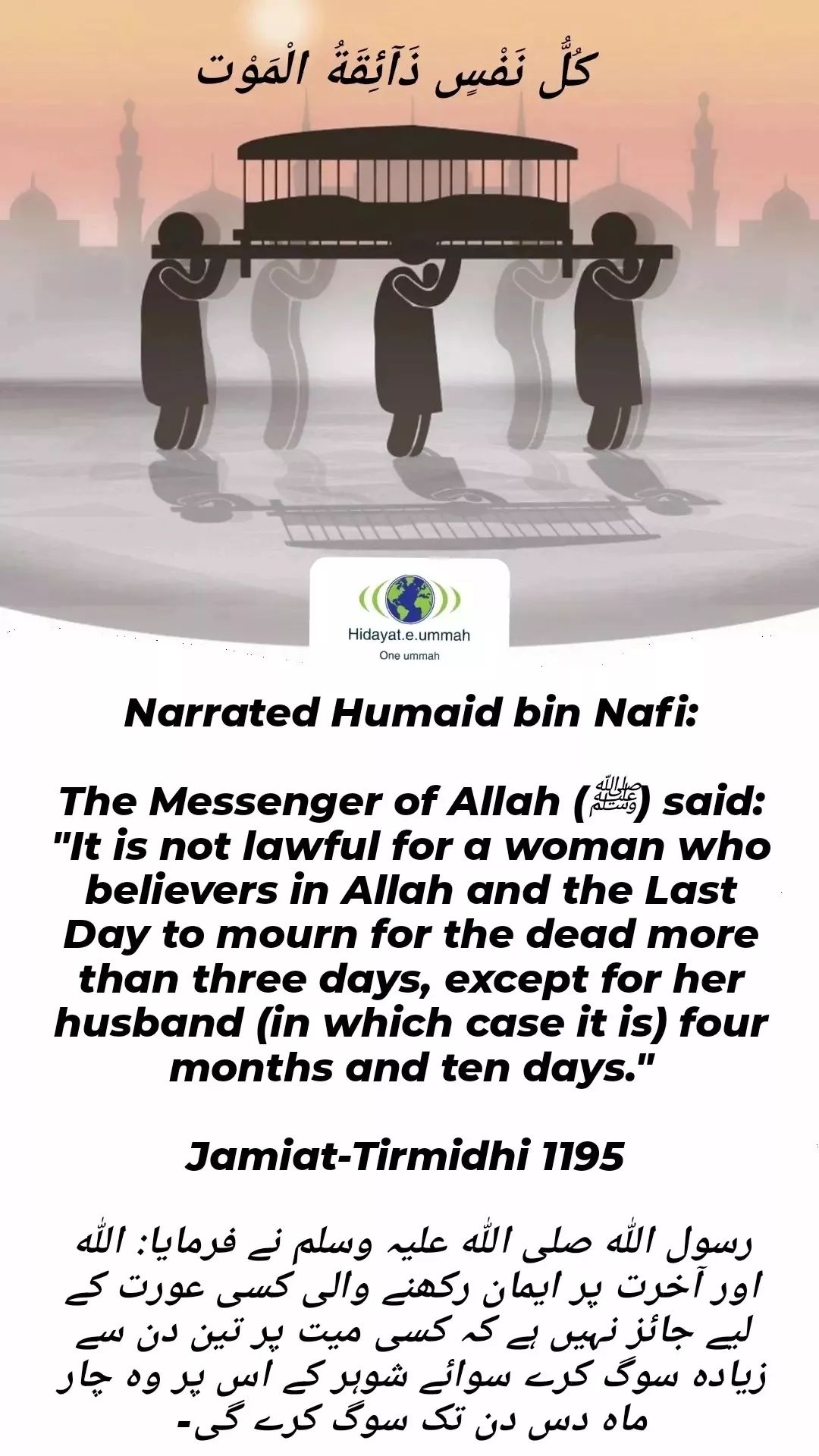
1. This hadith sets guidelines for women in mourning after the death of a loved one.
2. The Prophet Muhammad (peace be upon him) said that it is not allowed for a woman who believes in Allah and the Last Day to mourn for the dead for more than three days, except in the case of her husband.
3. For her husband, the mourning period extends to four months and ten days. This is called the 'iddah,' which is the period a woman must wait after the death of her husband before she can remarry.
4. The hadith reflects the importance of not overly grieving for the dead, while acknowledging the extended mourning period for a woman who has lost her husband.
5. These rules are designed to maintain balance, allowing space for grief while promoting patience and faith in Allah's will.
Hadith 18
18 of 20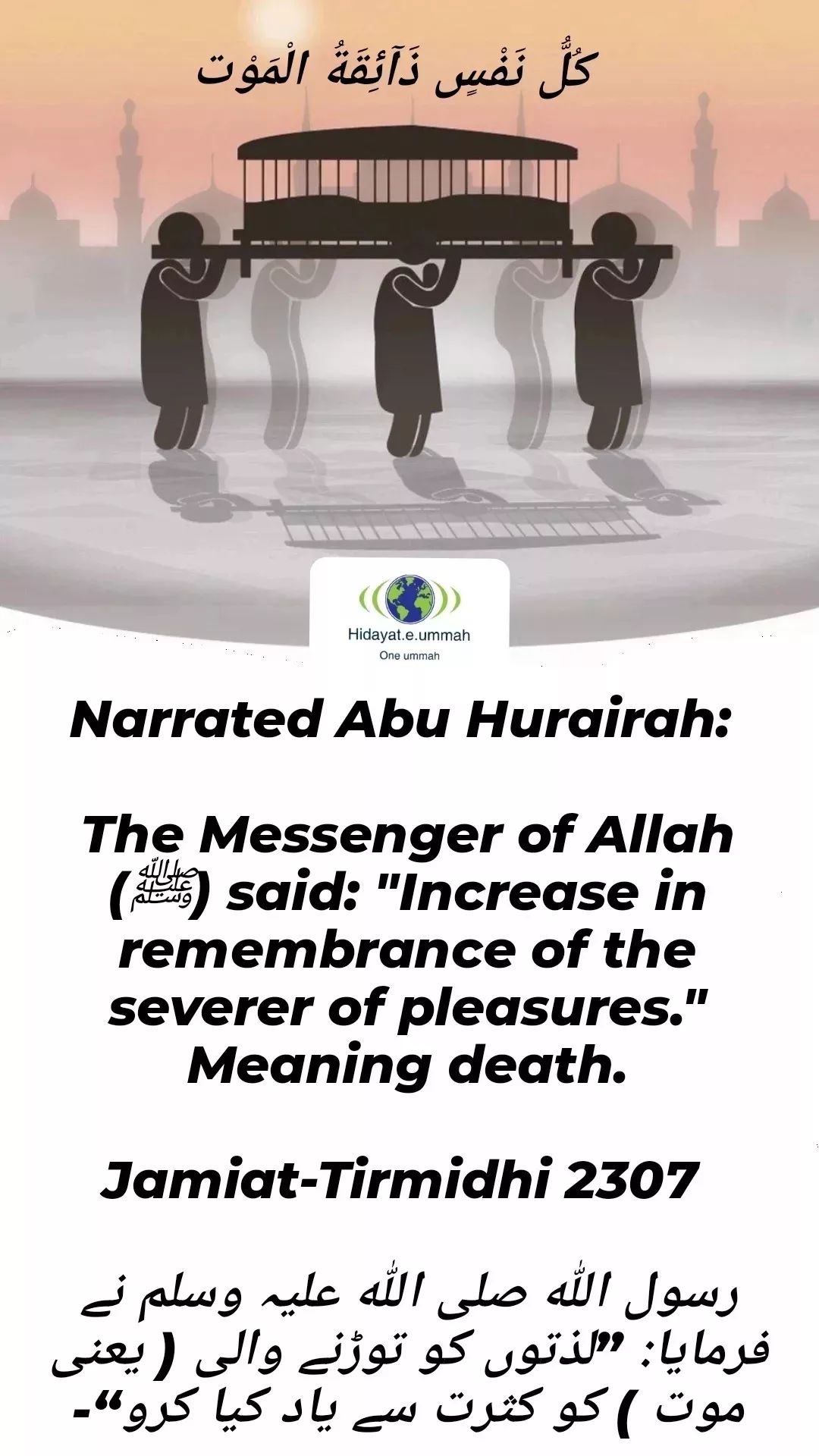
1. This hadith emphasizes the importance of remembering death frequently.
2. The Prophet Muhammad (peace be upon him) referred to death as 'the severer of pleasures,' meaning that death ends all worldly pleasures and distractions.
3. The Prophet encourages increasing remembrance of death because it serves as a reminder of the temporary nature of life and helps a person focus on the afterlife and their relationship with Allah.
4. Remembering death often can help believers stay humble, avoid attachments to material possessions, and strive for righteous deeds.
5. The hadith teaches that reflecting on death is a way to prepare for the inevitable and to live with greater awareness and purpose.
Hadith 19
19 of 20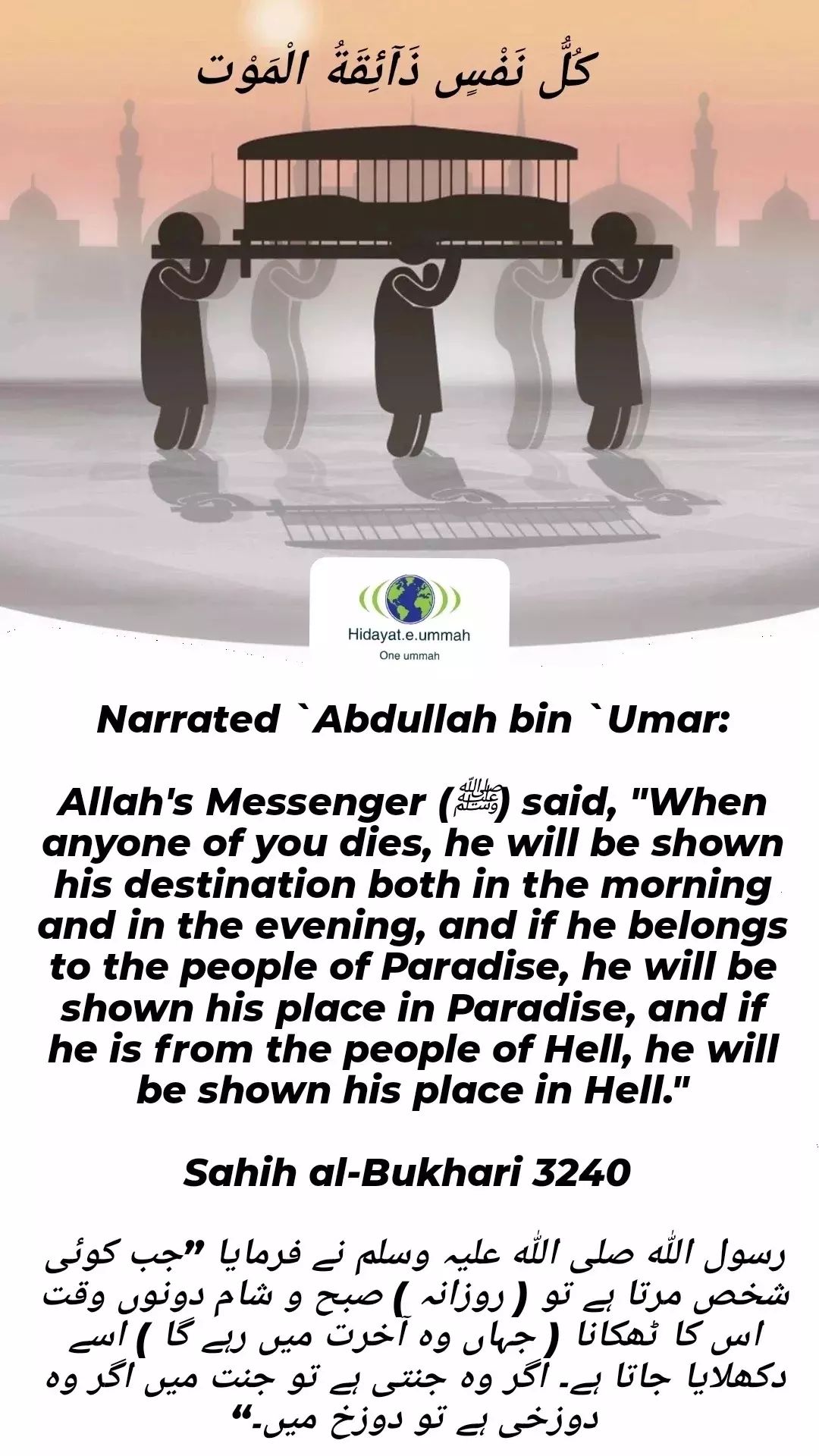
1. This hadith speaks about the fate of a person after they die and how their final destination is revealed to them.
2. The Prophet Muhammad (peace be upon him) mentions that every person, after their death, will be shown their destination both in the morning and evening.
3. If the person is destined for Paradise, they will be shown their place in Paradise, a reward for their good deeds.
4. If the person is destined for Hell, they will be shown their place in Hell, as a consequence of their actions.
5. The hadith serves as a reminder of the afterlife and encourages individuals to live righteous lives in order to secure a place in Paradise.
Hadith 20
20 of 20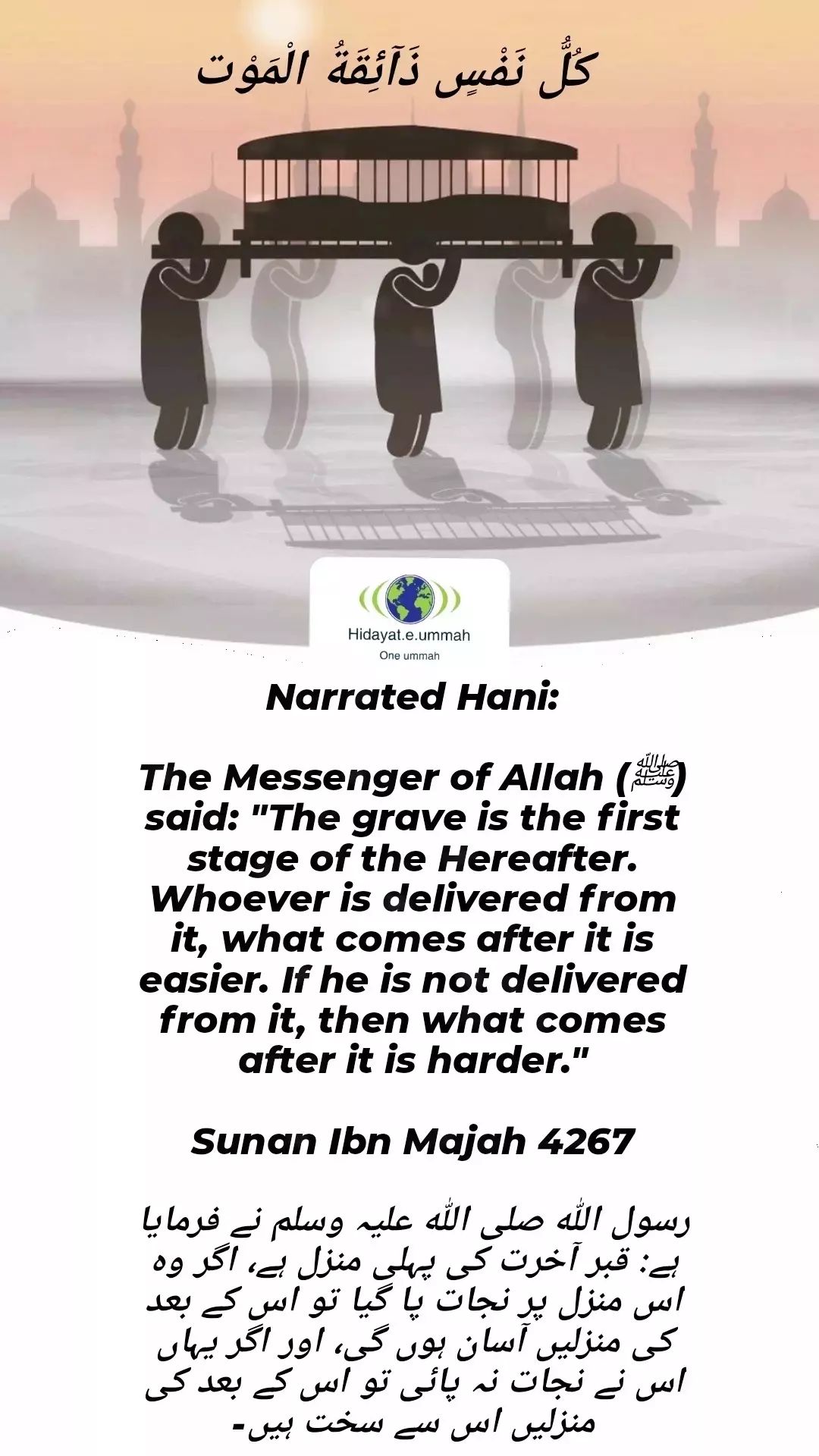
1. This hadith discusses the significance of the grave as the first stage of the afterlife.
2. The Prophet Muhammad (peace be upon him) explains that the condition of the grave determines how easy or difficult the subsequent stages of the Hereafter will be.
3. If a person is saved from the trials and punishment of the grave, their journey in the afterlife will be easier.
4. However, if a person is not saved from the difficulties of the grave, the following stages of the Hereafter will be even harder for them.
5. The hadith emphasizes the importance of the grave and encourages people to live in a way that ensures ease in the afterlife.