
Judgement Day
Hadith Collection
10 Hadiths
Hadith 1
1 of 10
The best among you are those who have the best manners and character. – Prophet Muhammad (peace be upon him)
Hadith 2
2 of 10
The strong man is not the one who wrestles others, but the one who controls himself when angry. – Prophet Muhammad (peace be upon him)
Hadith 3
3 of 10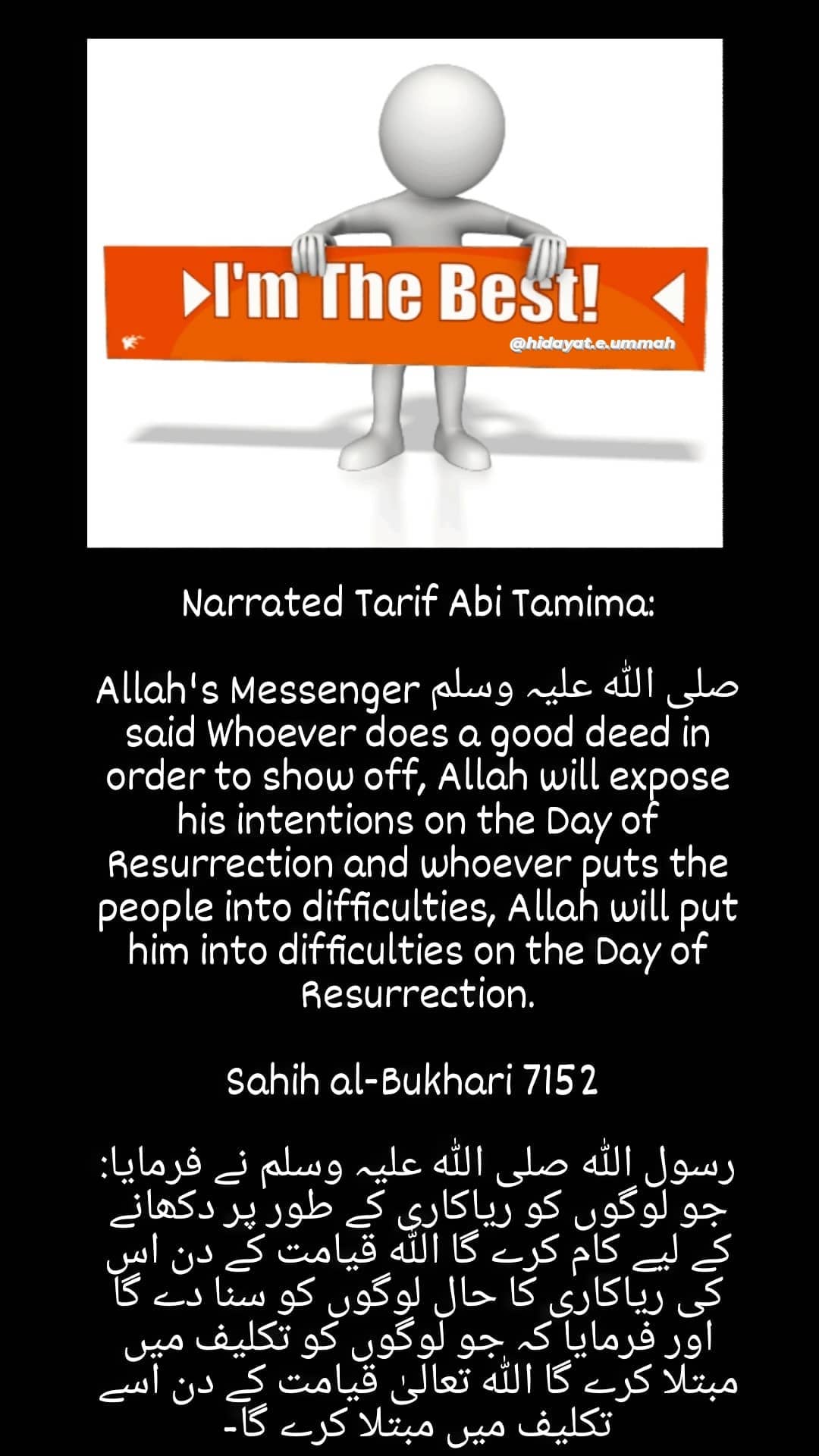
This hadith, narrated by Tarif Abi Tamima, emphasizes the importance of sincerity and avoiding harmful behavior in our interactions.
1. **Sincerity in Good Deeds:**
- The Prophet ( SAW Peace be upon him) warns against performing good deeds for the sake of showing off. If someone does this, their hidden intentions will be exposed by Allah on the Day of Resurrection. This teaches that all acts of worship and kindness should be done purely for Allah's pleasure, not for seeking admiration from others.
2. **Avoiding Hardship for Others:**
- The Prophet ( SAW Peace be upon him) also warns against causing unnecessary difficulties for people. Those who create hardships for others will face similar difficulties on the Day of Resurrection.
3. **Accountability:**
- The hadith highlights that actions have consequences both in this world and in the Hereafter, encouraging believers to maintain sincerity and compassion.
**Lesson:**
- Strive to be sincere in all your deeds and treat others with kindness and ease. By doing so, you not only earn Allah’s pleasure but also avoid accountability for negative intentions and actions on the Day of Judgment.
Hadith 4
4 of 10
This hadith, narrated by Ammar, highlights the consequences of deceitful behavior and hypocrisy.
1. **Being Two-Faced:**
- The Prophet ( SAW Peace be upon him) describes a 'two-faced' person as someone who behaves differently with different groups to manipulate situations or gain favor.
2. **Severe Punishment:**
- On the Day of Resurrection, such individuals will be given two tongues of fire as a symbol and punishment for their deceitful actions.
3. **Moral Integrity:**
- Islam encourages truthfulness, honesty, and consistency in character, both publicly and privately.
**Lesson:**
- Maintaining sincerity and honesty is essential. Avoid being manipulative or deceitful, as such behavior will lead to severe consequences in the Hereafter.
Hadith 5
5 of 10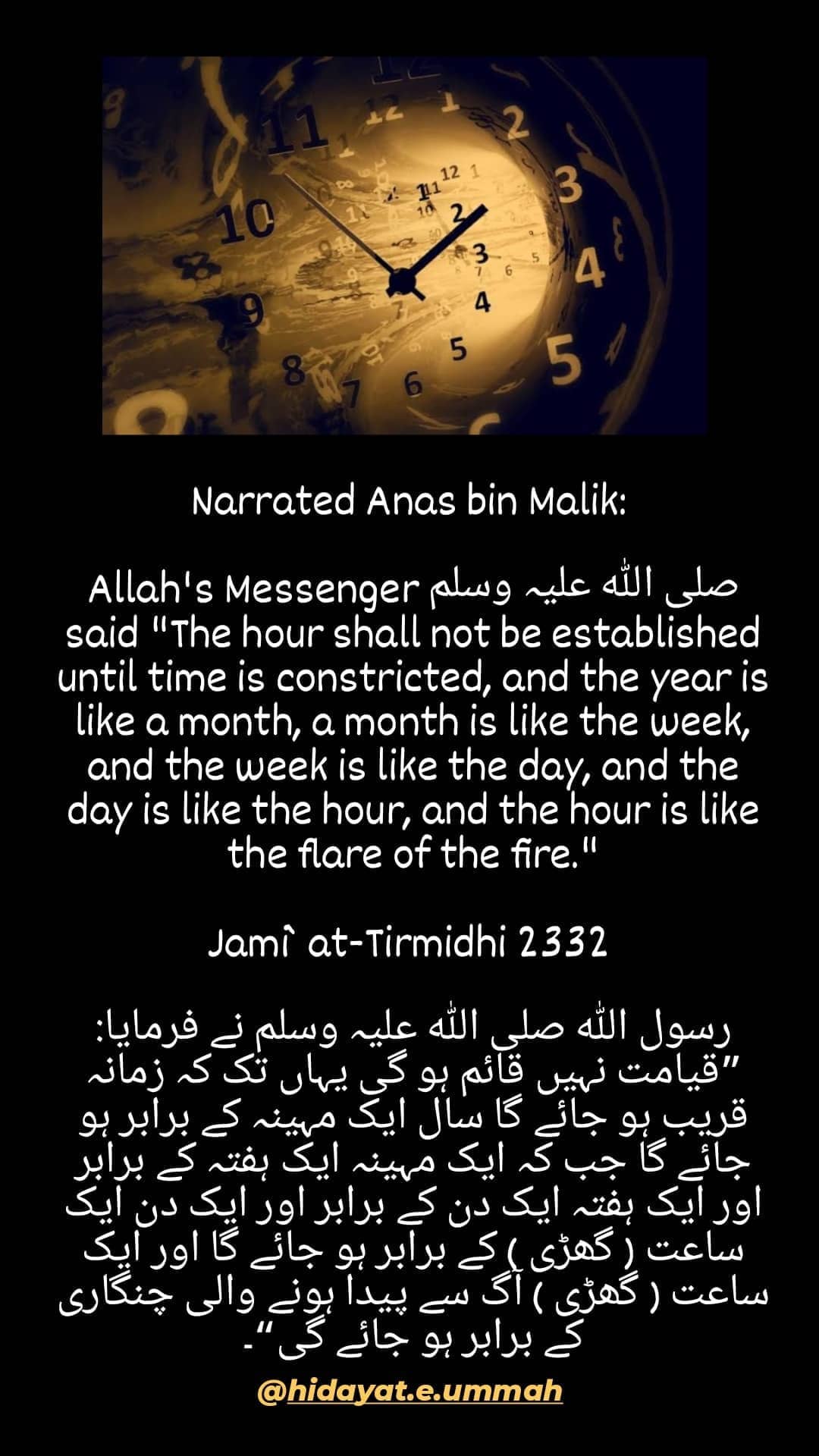
This hadith, narrated by Anas bin Malik, describes a sign of the Day of Judgment, highlighting the rapid passage of time.
1. **Contraction of Time:**
- The Prophet ( SAW Peace be upon him) foretold that as the Hour (Day of Judgment) approaches, time will feel shortened. A year will seem like a month, a month like a week, a week like a day, and so on.
2. **Perception of Time:**
- This could refer to how fast time appears to pass due to technological advancements, hectic lifestyles, or lack of blessings in time.
3. **Sign of the End Times:**
- The hadith is a reminder of one of the many signs indicating the approach of the final Hour.
**Lesson:**
- This narration encourages believers to be mindful of time and use it wisely for good deeds, worship, and preparing for the Hereafter, as the perception of time speeding up is a warning to not be heedless.
Hadith 6
6 of 10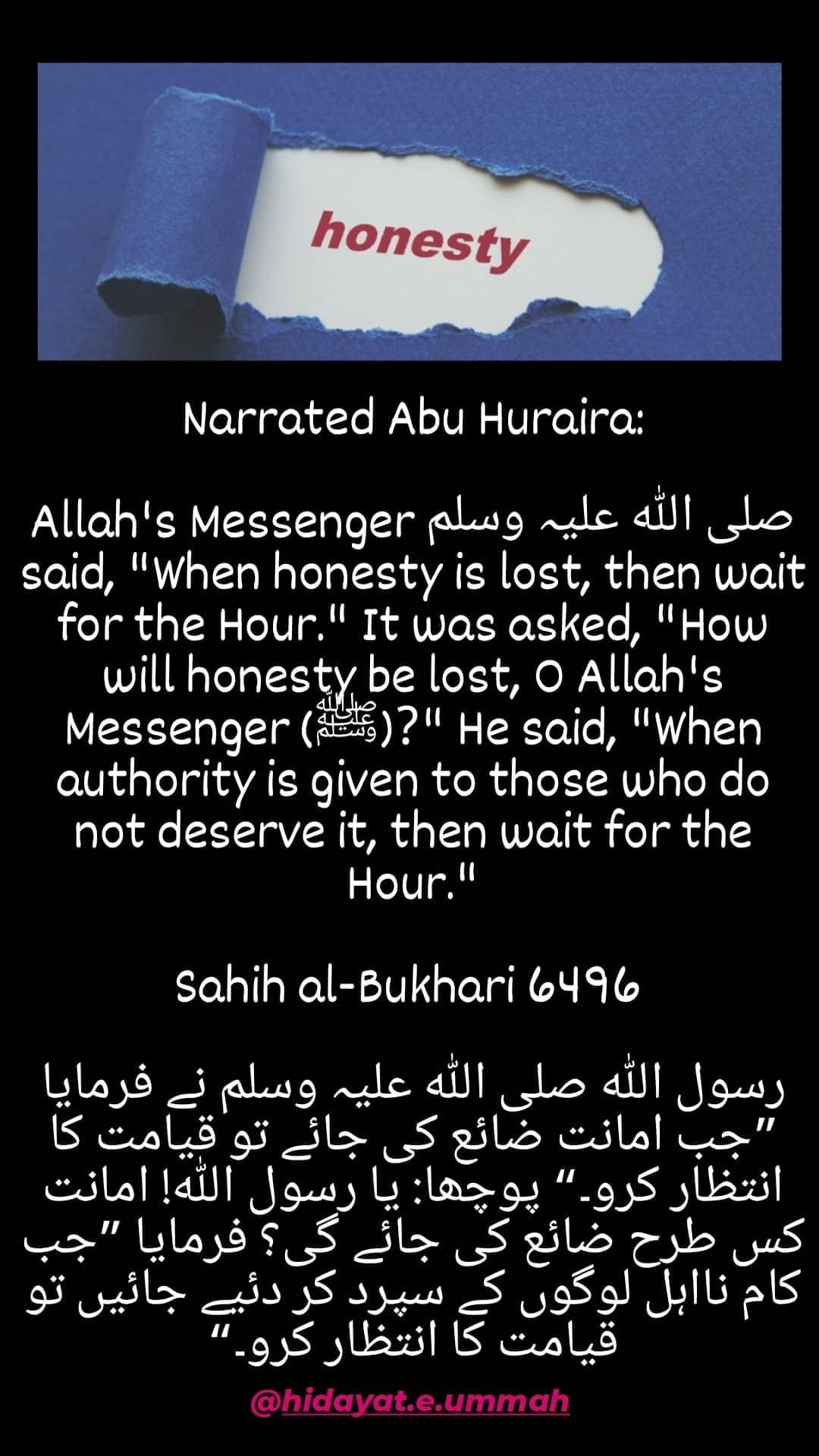
This hadith, narrated by Abu Huraira, highlights the connection between the loss of honesty and the signs of the approaching Day of Judgment.
1. **Loss of Honesty:**
- The Prophet ( SAW Peace be upon him) indicated that when honesty diminishes in society, it signals the approach of the Hour (Day of Judgment).
2. **Unworthy Leadership:**
- The Prophet ( SAW Peace be upon him) explained that honesty is lost when positions of authority are given to those who are unqualified or undeserving.
3. **Consequences of Corruption:**
- Misplacing authority leads to widespread corruption, injustice, and societal breakdown.
**Lesson:**
- Upholding honesty and appointing competent, trustworthy leaders are vital for a healthy and just society. Believers are reminded to value integrity and advocate for responsible leadership.
Hadith 7
7 of 10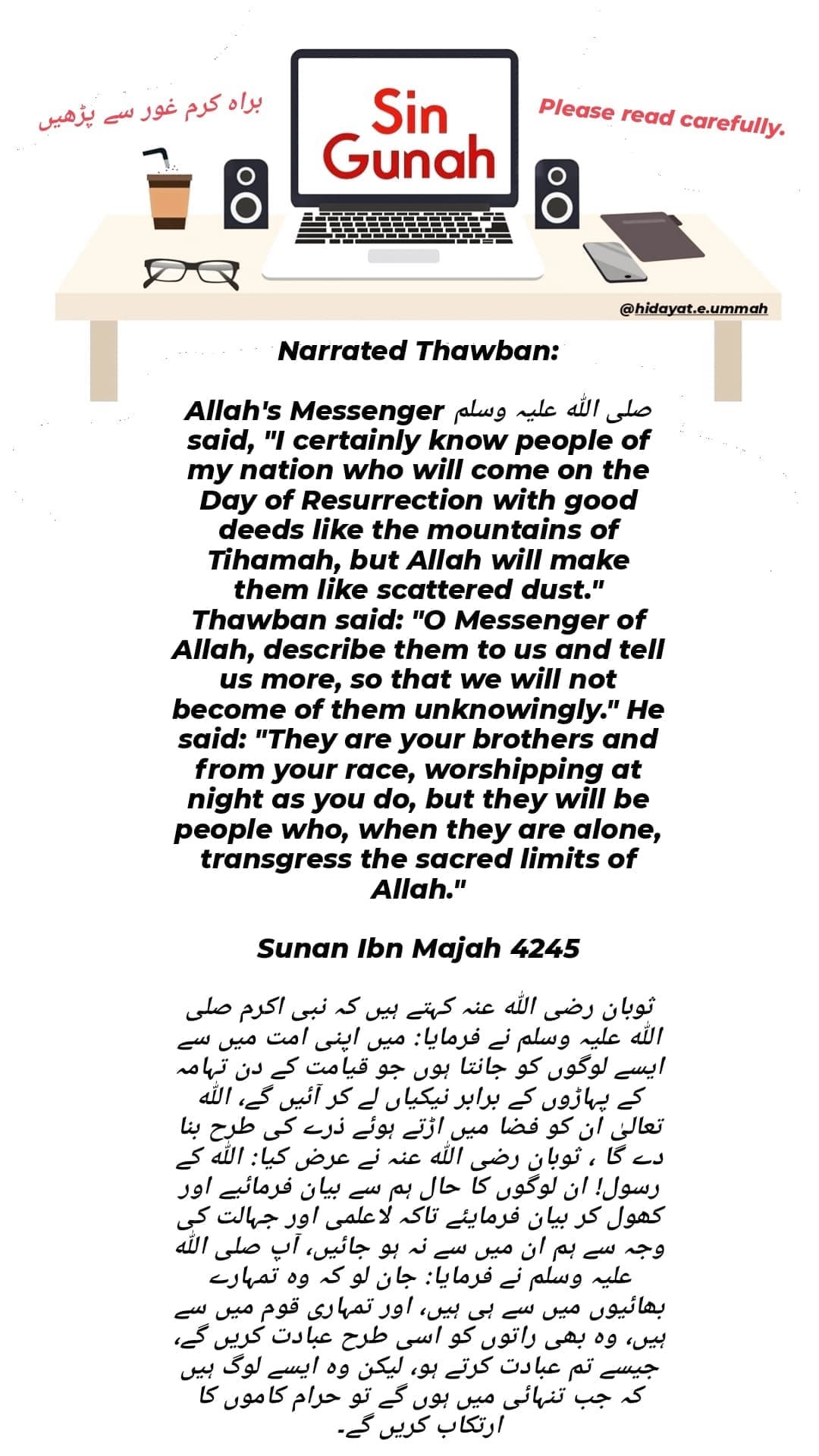
This hadith, narrated by Thawban, highlights the danger of hidden sins and the importance of sincerity in obedience to Allah.
1. **Good Deeds Turned to Dust:**
- The Prophet ( SAW Peace be upon him) warned about some people who will come on the Day of Resurrection with an enormous amount of good deeds, yet these deeds will be rendered worthless, like scattered dust.
2. **Reason for Loss of Deeds:**
- Thawban, concerned, asked the Prophet ( SAW Peace be upon him) to describe these individuals. The Prophet ( SAW Peace be upon him) explained that they are from the same community and perform acts of worship, even praying at night. However, they transgress the sacred limits of Allah when alone.
3. **Sincerity and Accountability:**
- This hadith stresses that true piety requires consistency in obedience both publicly and privately. Sins committed secretly, especially when one feels free from human judgment, demonstrate a lack of true fear and consciousness of Allah.
**Lesson:**
- Believers should strive for sincerity in their actions, avoid hypocrisy, and remember that Allah is aware of all deeds, whether done openly or in secret. Worship and righteousness must extend to both public and private life.
Hadith 8
8 of 10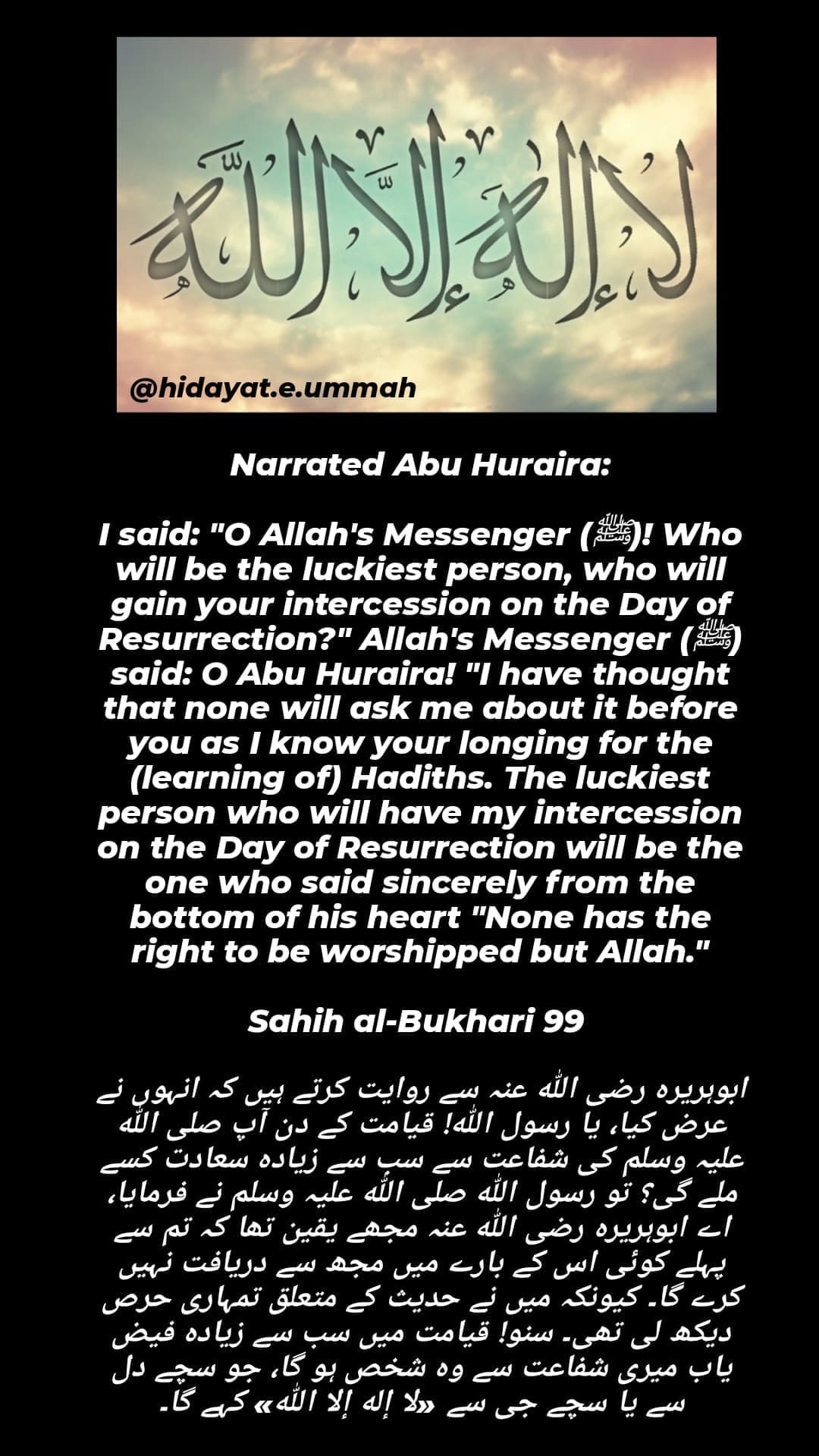
This hadith, narrated by Abu Huraira, highlights the significance of sincerity in proclaiming the oneness of Allah and the Prophet's ( SAW Peace be upon him) intercession on the Day of Resurrection.
1. **The Prophet’s Appreciation of Abu Huraira:**
- The Prophet ( SAW Peace be upon him) acknowledged Abu Huraira’s passion for learning hadith and anticipated his question about intercession.
2. **The Luckiest Person:**
- The Prophet ( SAW Peace be upon him) stated that the luckiest person to receive his intercession on the Day of Resurrection will be the one who sincerely declares, 'None has the right to be worshipped but Allah.'
3. **Sincerity Matters:**
- It is not merely the verbal statement that holds value but the heartfelt sincerity in affirming Allah’s oneness.
**Lesson:**
- Declaring and sincerely believing in the oneness of Allah is the foundation of Islam and the key to the Prophet’s ( SAW Peace be upon him) intercession. Believers should constantly strive to strengthen their faith and sincerity in this testimony.
Hadith 9
9 of 10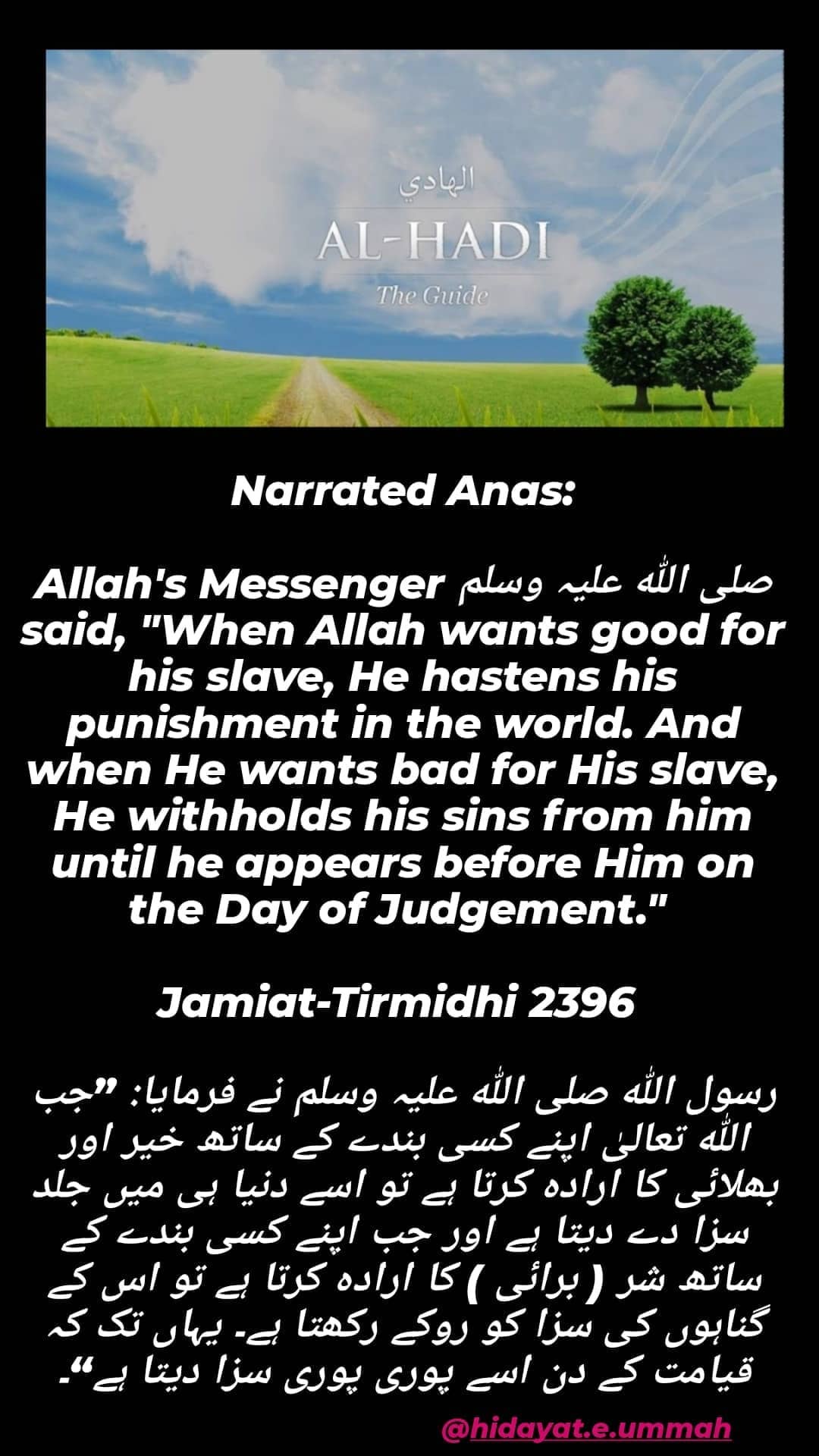
This hadith, narrated by Anas, teaches the wisdom behind the trials and blessings that a believer may face in this life.
1. **Hastened Punishment for Good:**
- The Prophet ( SAW Peace be upon him) stated that when Allah wants good for His servant, He hastens their punishment in this world. This refers to difficulties or hardships that serve as a means of expiation for sins, purifying the believer before the Day of Judgment.
2. **Delayed Punishment for Bad:**
- Conversely, when Allah wants harm for a servant, He withholds punishment, allowing them to continue sinning without facing immediate consequences. On the Day of Judgment, they will face full accountability for their sins.
3. **Test of Faith:**
- Trials are not necessarily a sign of Allah's displeasure. Instead, they can be a means for purification and elevation in rank for those who remain patient and faithful.
**Lesson:**
- Believers should view worldly hardships as opportunities for spiritual growth and purification, trusting that Allah’s wisdom is always for their ultimate good. Meanwhile, ease and success without reflection may warrant caution and introspection.
Hadith 10
10 of 10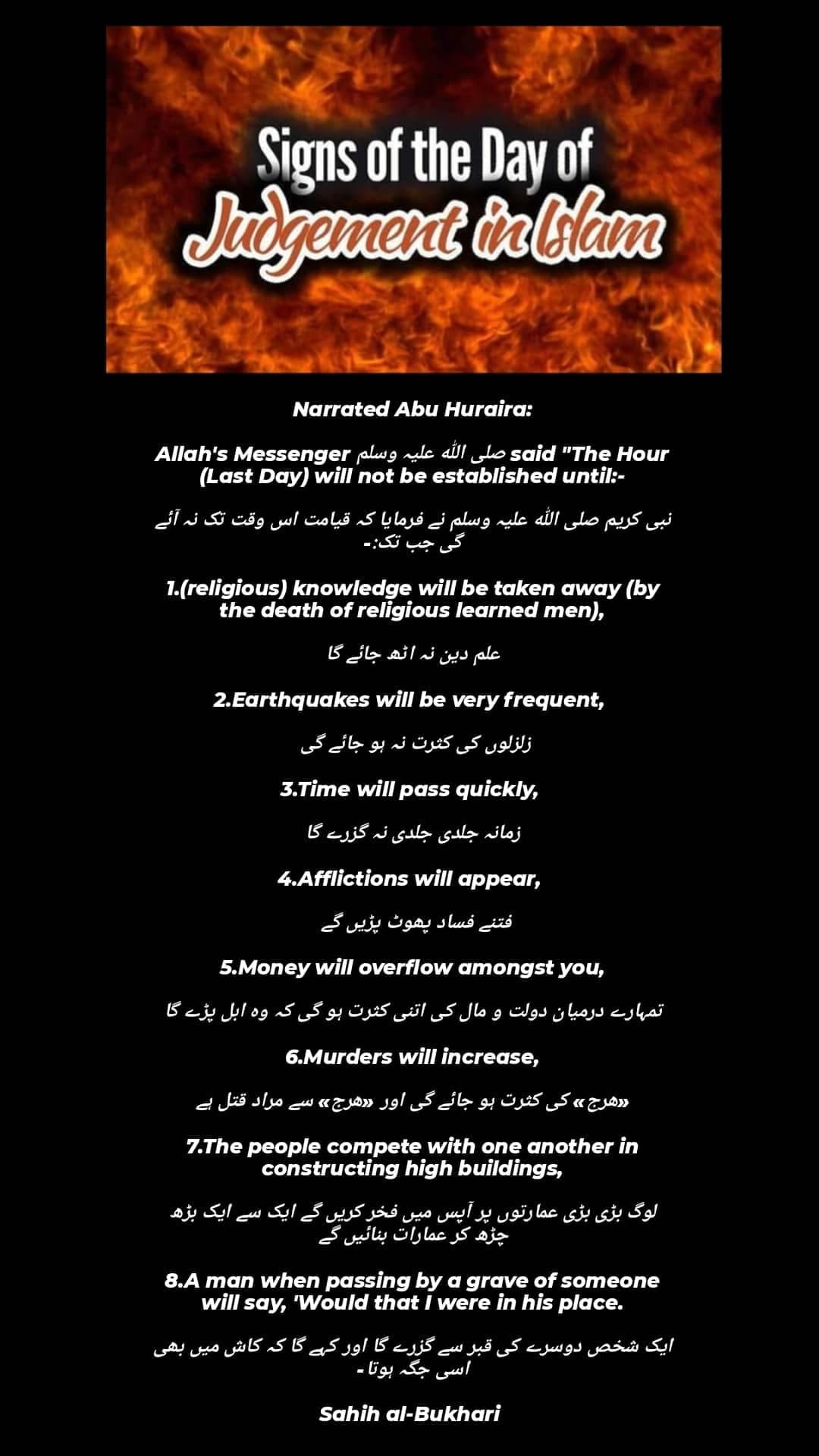
The strong man is not the one who wrestles others, but the one who controls himself when angry. – Prophet Muhammad (peace be upon him)