
Parents
Hadith Collection
14 Hadiths
Hadith 1
1 of 14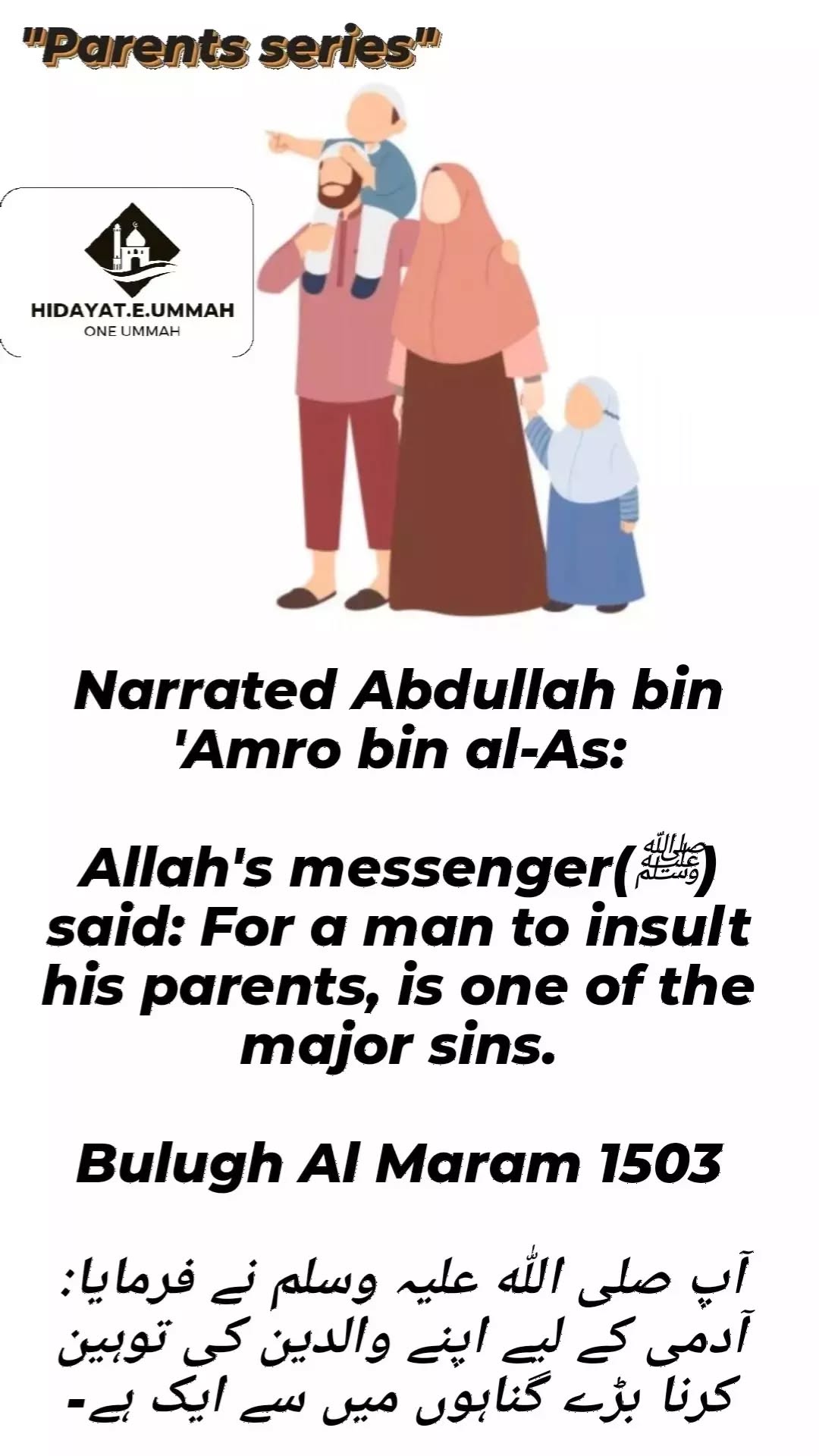
This hadith, narrated by Abdullah bin 'Amro bin al-As, emphasizes that insulting one's parents is considered one of the major sins in Islam. The Prophet Muhammad (peace be upon him) highlights the serious nature of dishonoring or mistreating one's parents. In Islam, parents hold a very high status, and showing respect and kindness toward them is a fundamental part of a believer's duties.
**Lesson:**
- The hadith teaches that any form of disrespect or insult toward parents is a grave sin. Muslims are reminded to honor their parents with love, respect, and care, as they are central to a believer's life. Disrespecting them not only harms familial relationships but also goes against Allah's commands.
Hadith 2
2 of 14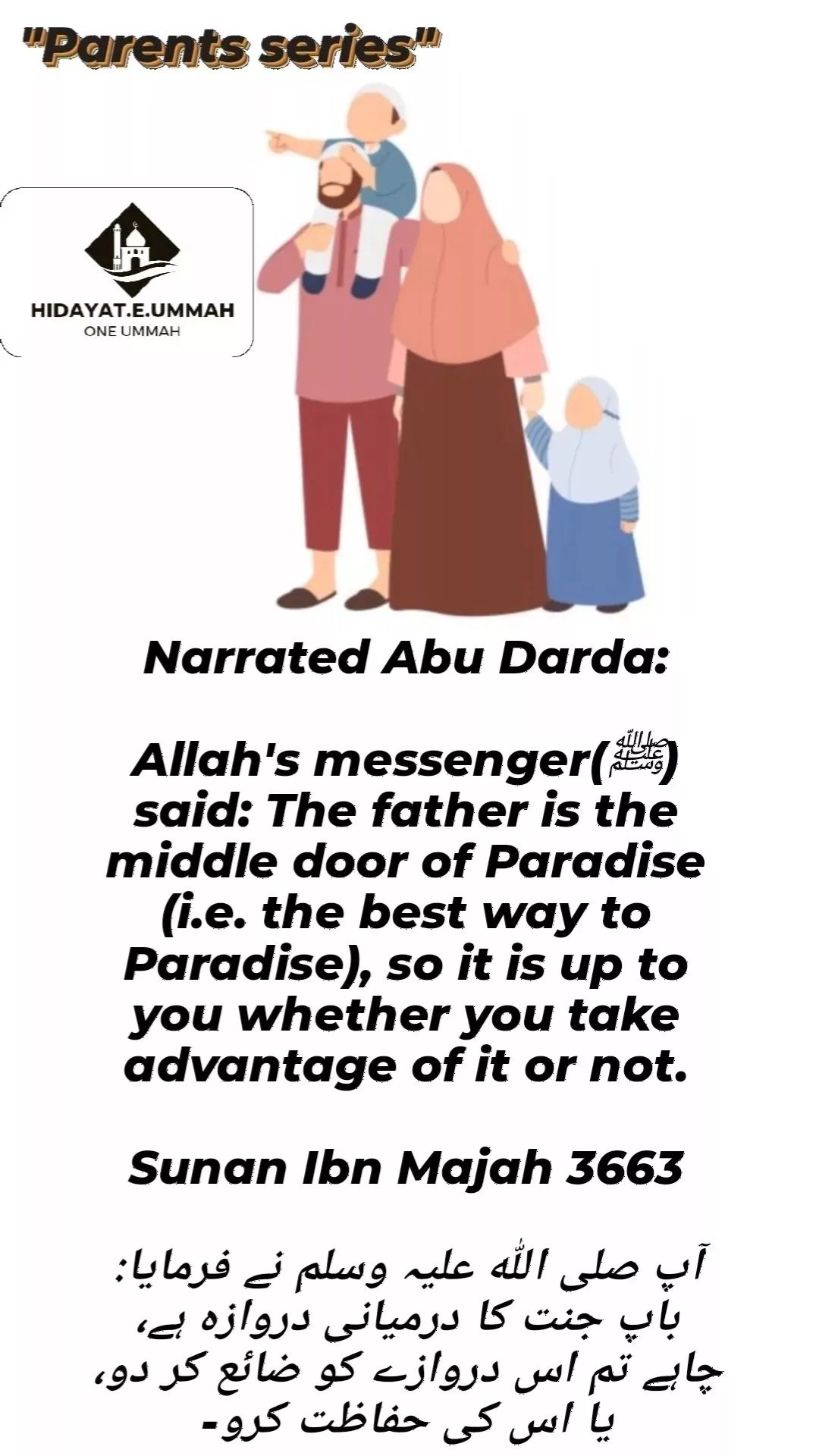
This hadith, narrated by Abu Darda, highlights the significant role of fathers in Islam. The Prophet Muhammad (peace be upon him) compares a father to the 'middle door of Paradise', meaning that a father's position is one of the best ways to enter Paradise. Honoring, respecting, and caring for one's father is a key action that can lead a person toward Paradise.
**Lesson:**
- This hadith emphasizes the importance of a father's role in a believer’s life and how treating him with respect and love is a means to attain Paradise. It reminds us that while Paradise is accessible through many paths, the relationship with one’s father is a golden opportunity to earn Allah's pleasure and mercy.
Hadith 3
3 of 14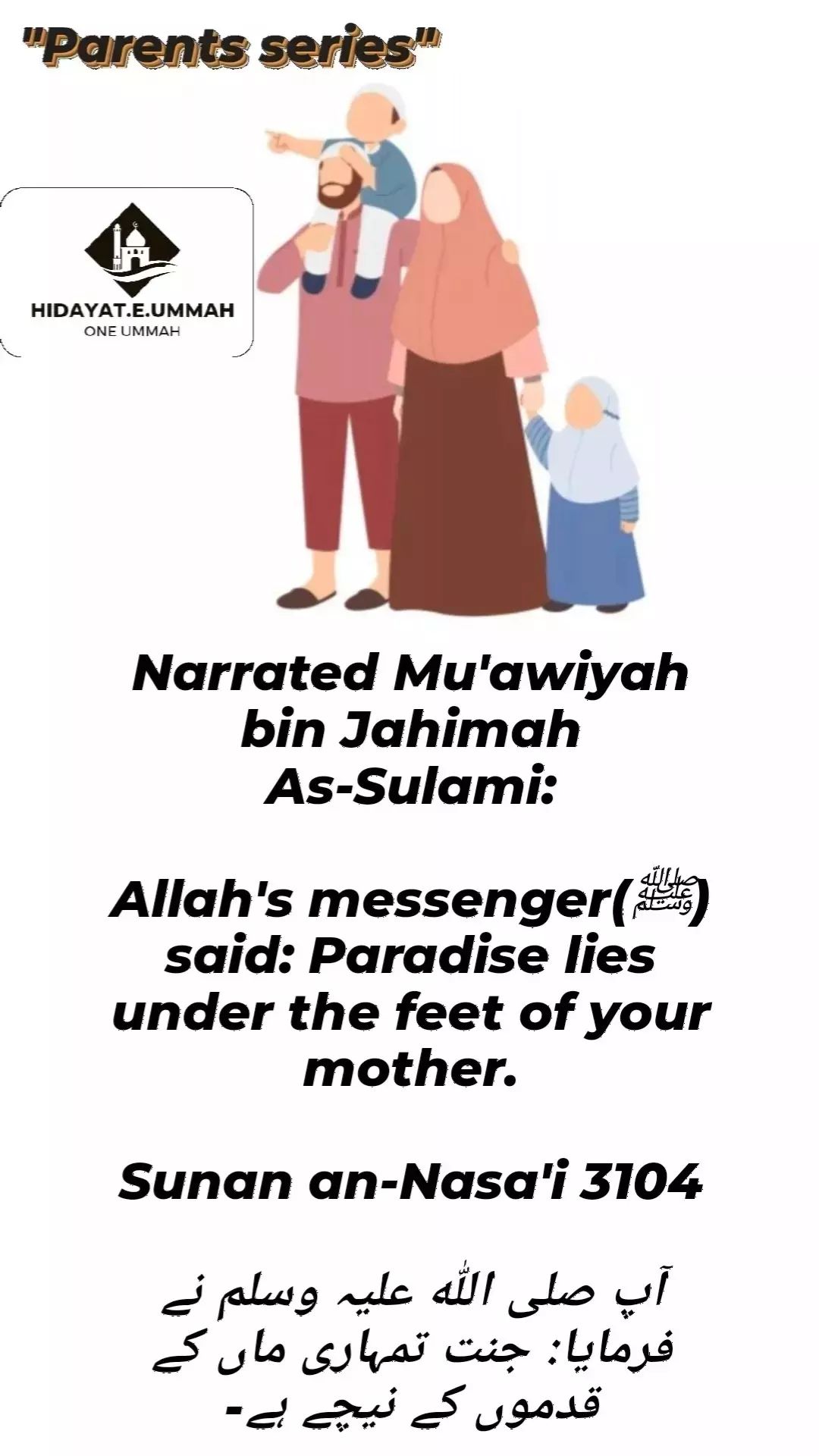
This hadith, narrated by Mu'awiyah bin Jahimah As-Sulami, emphasizes the great status of mothers in Islam. The Prophet Muhammad (peace be upon him) stated that 'Paradise lies under the feet of your mother,' which signifies that serving and honoring one's mother is a direct path to earning Allah's pleasure and Paradise. The metaphor of paradise being under the feet of a mother highlights the immense value of a mother's sacrifices and the respect due to her.
**Lesson:**
- The hadith teaches that a mother holds a special and elevated position in Islam. Treating one's mother with love, respect, and care is essential, as it is one of the most rewarding actions a person can take to attain Paradise.
Hadith 4
4 of 14
The strong man is not the one who wrestles others, but the one who controls himself when angry. – Prophet Muhammad (peace be upon him)
Hadith 5
5 of 14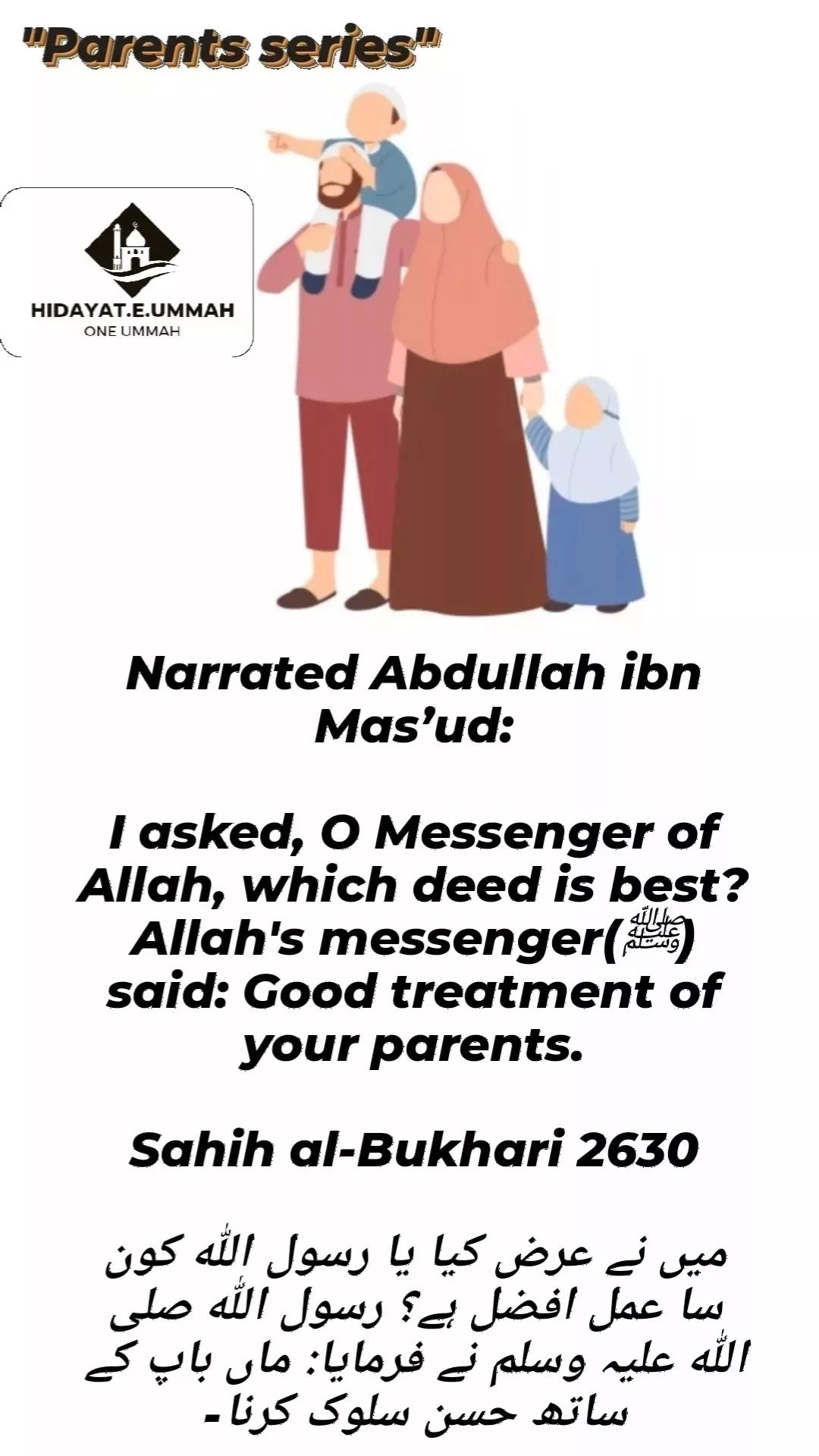
The strong man is not the one who wrestles others, but the one who controls himself when angry. – Prophet Muhammad (peace be upon him)
Hadith 6
6 of 14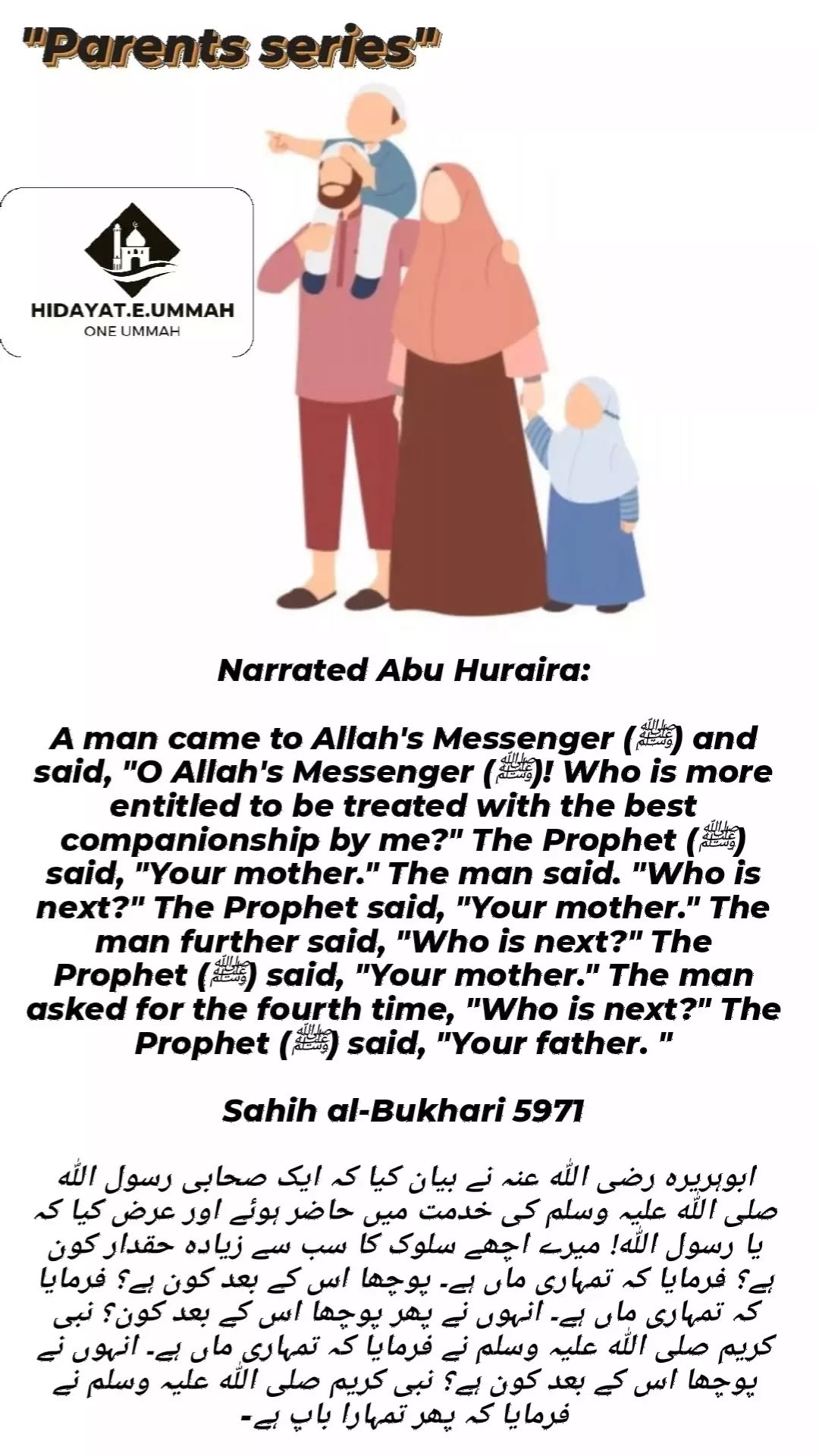
The strong man is not the one who wrestles others, but the one who controls himself when angry. – Prophet Muhammad (peace be upon him)
Hadith 7
7 of 14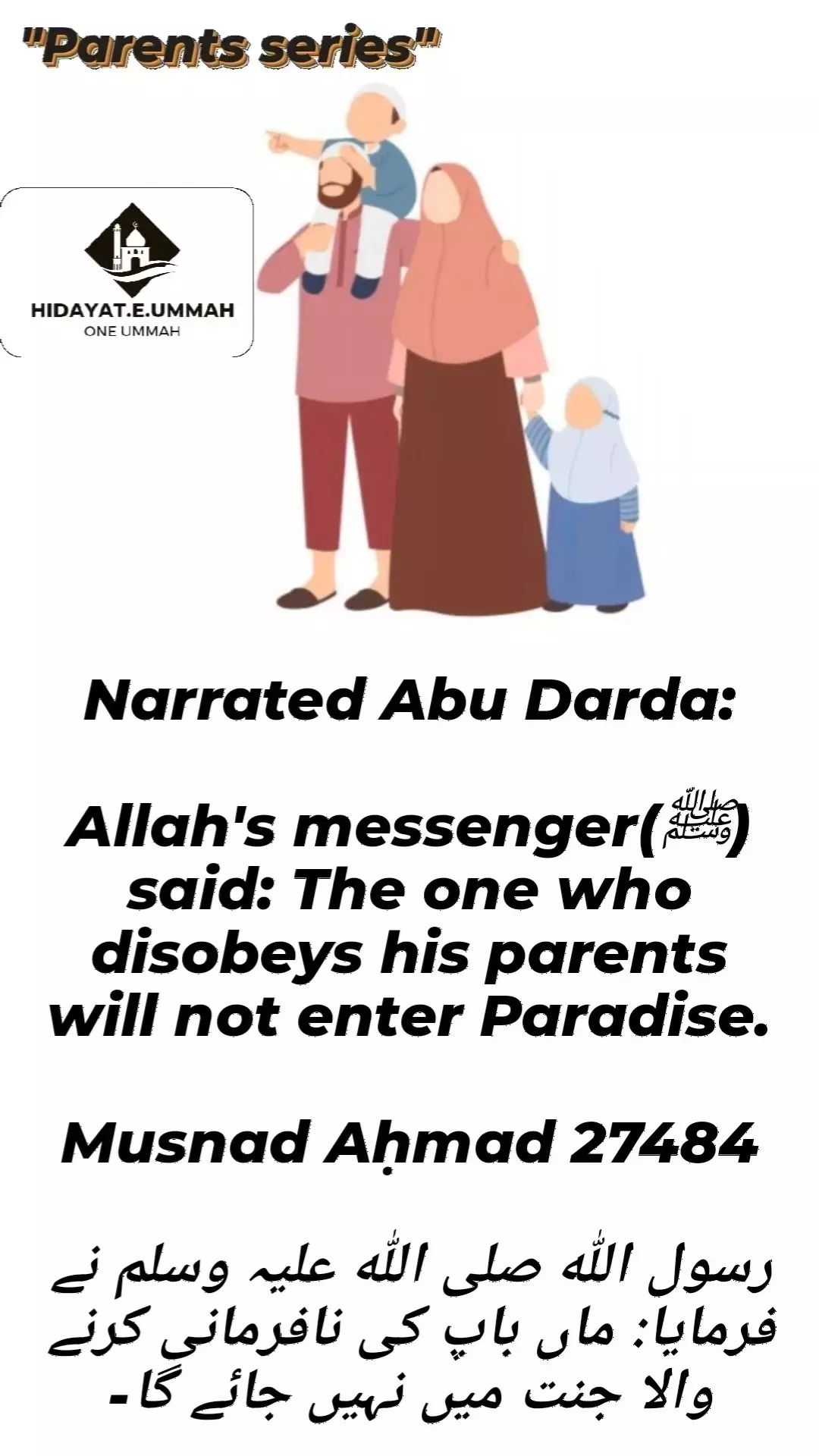
The strong man is not the one who wrestles others, but the one who controls himself when angry. – Prophet Muhammad (peace be upon him)
Hadith 8
8 of 14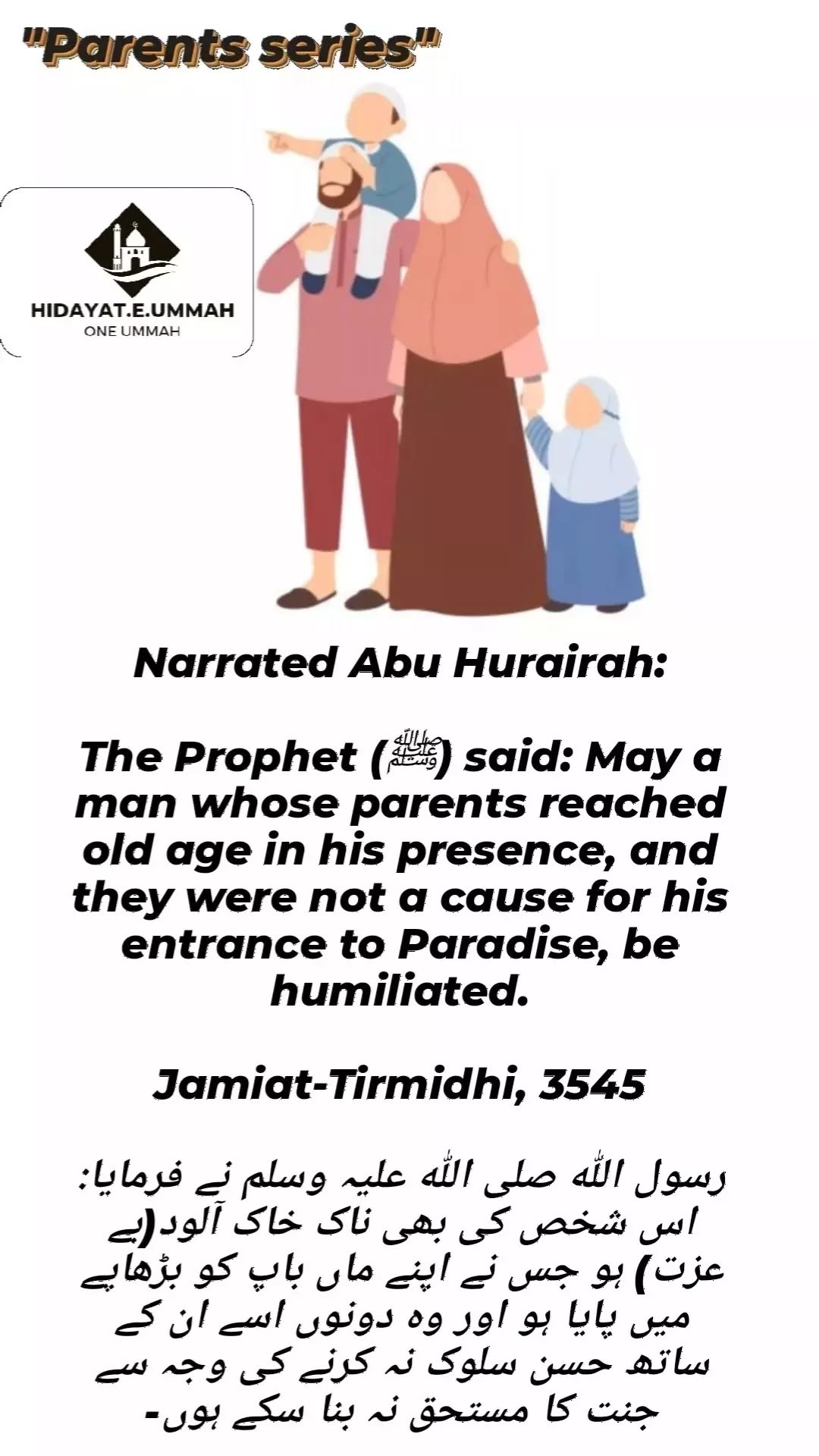
The strong man is not the one who wrestles others, but the one who controls himself when angry. – Prophet Muhammad (peace be upon him)
Hadith 9
9 of 14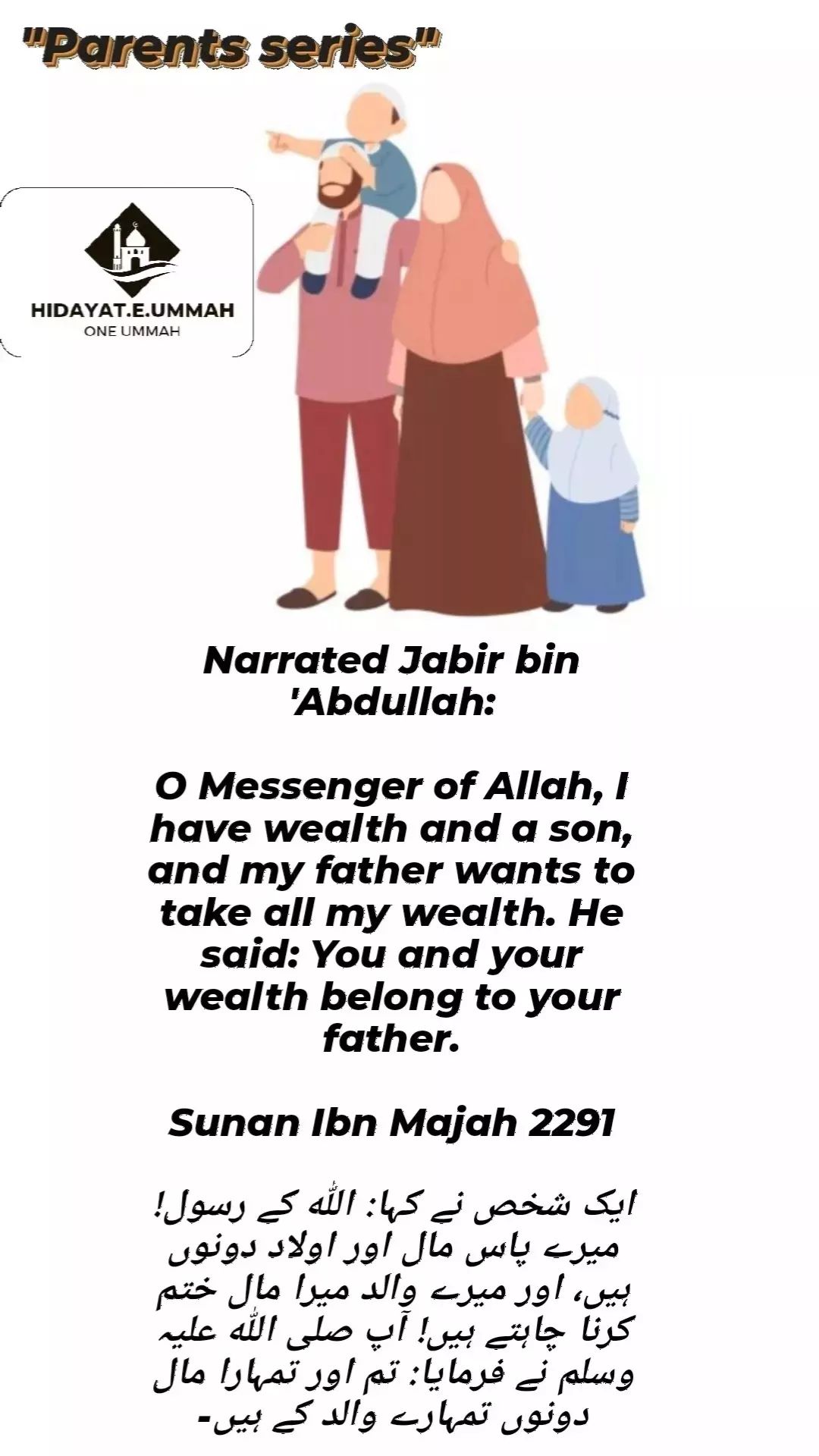
The strong man is not the one who wrestles others, but the one who controls himself when angry. – Prophet Muhammad (peace be upon him)
Hadith 10
10 of 14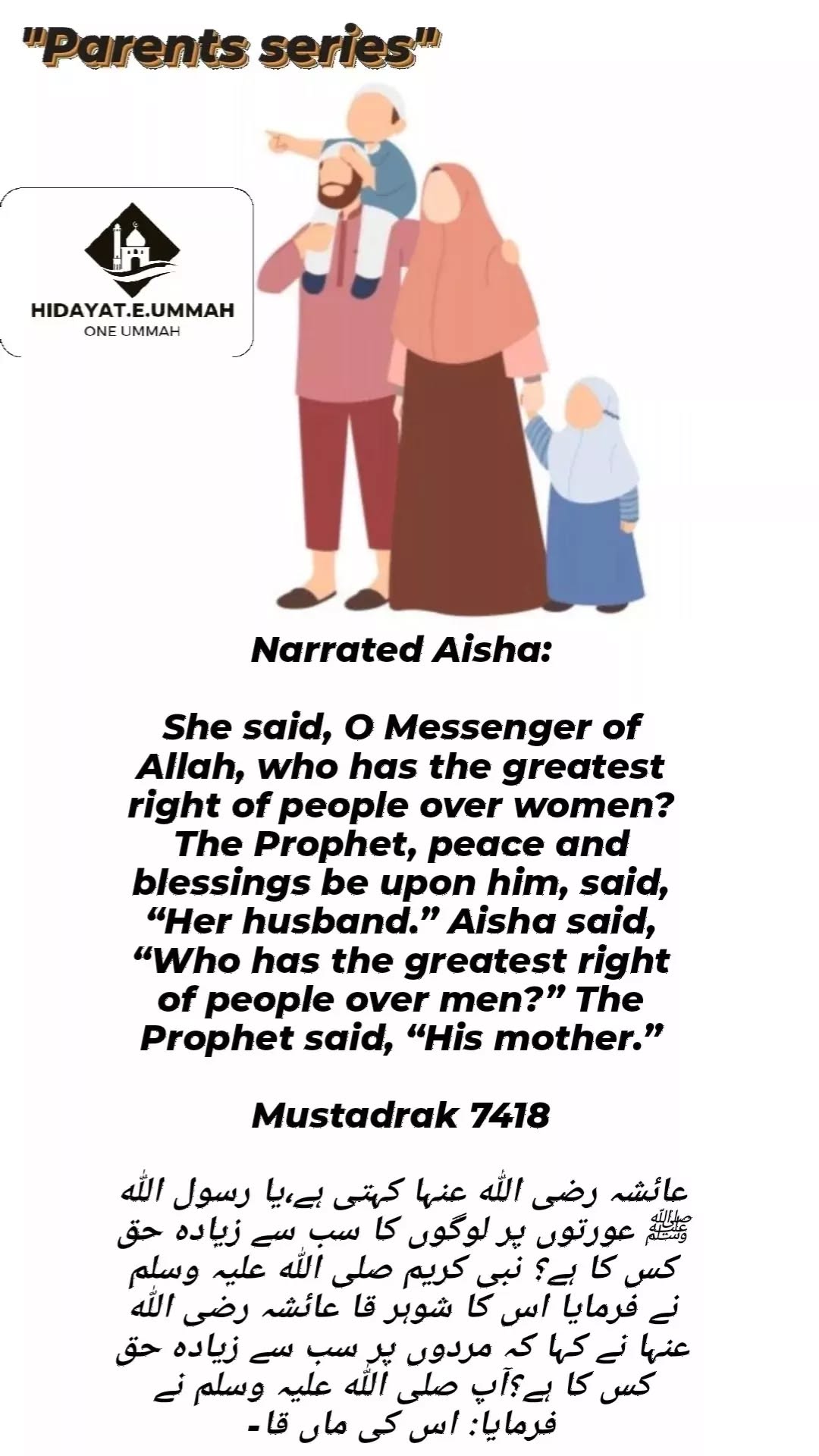
The strong man is not the one who wrestles others, but the one who controls himself when angry. – Prophet Muhammad (peace be upon him)
Hadith 11
11 of 14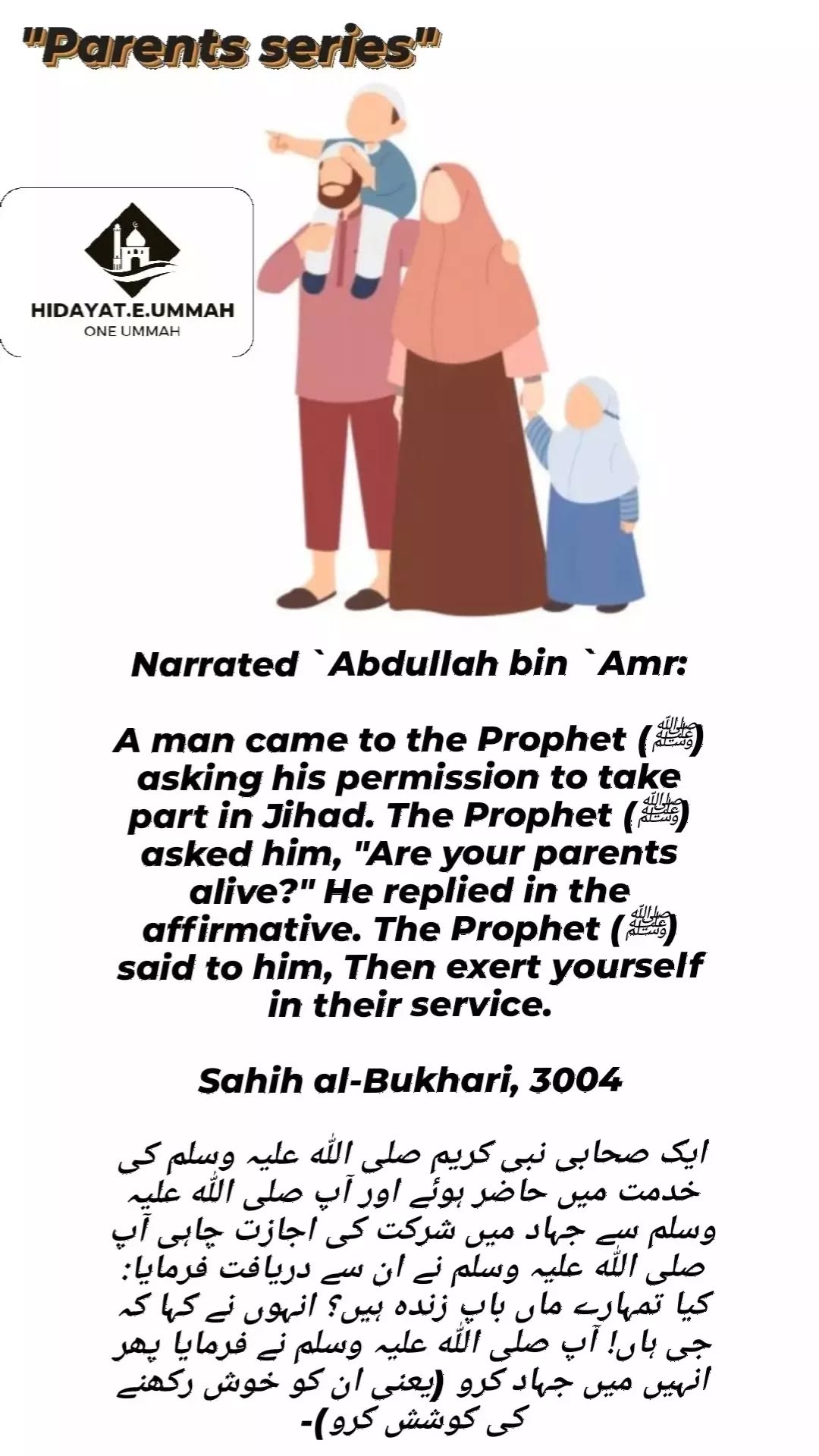
The strong man is not the one who wrestles others, but the one who controls himself when angry. – Prophet Muhammad (peace be upon him)
Hadith 12
12 of 14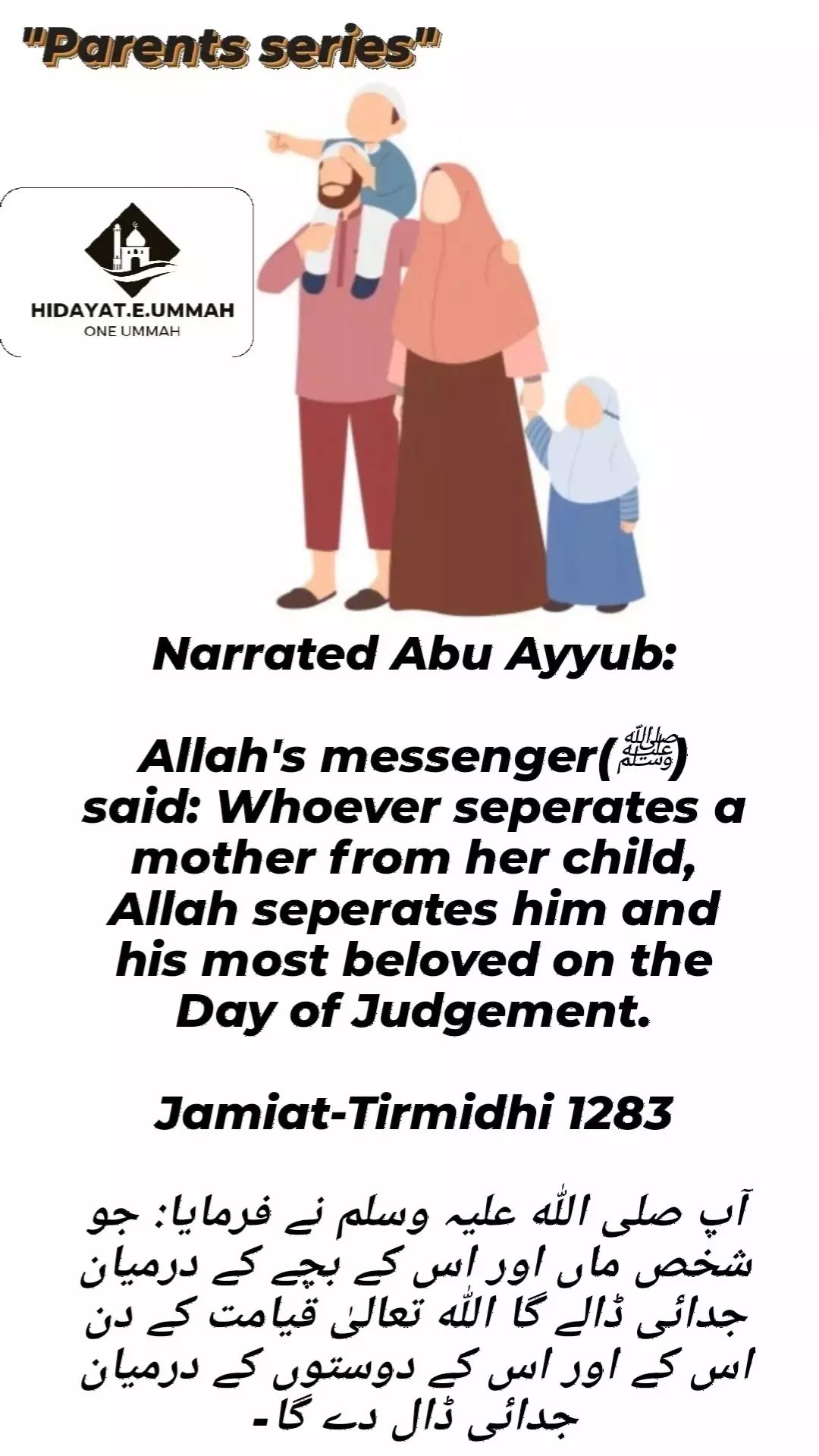
The strong man is not the one who wrestles others, but the one who controls himself when angry. – Prophet Muhammad (peace be upon him)
Hadith 13
13 of 14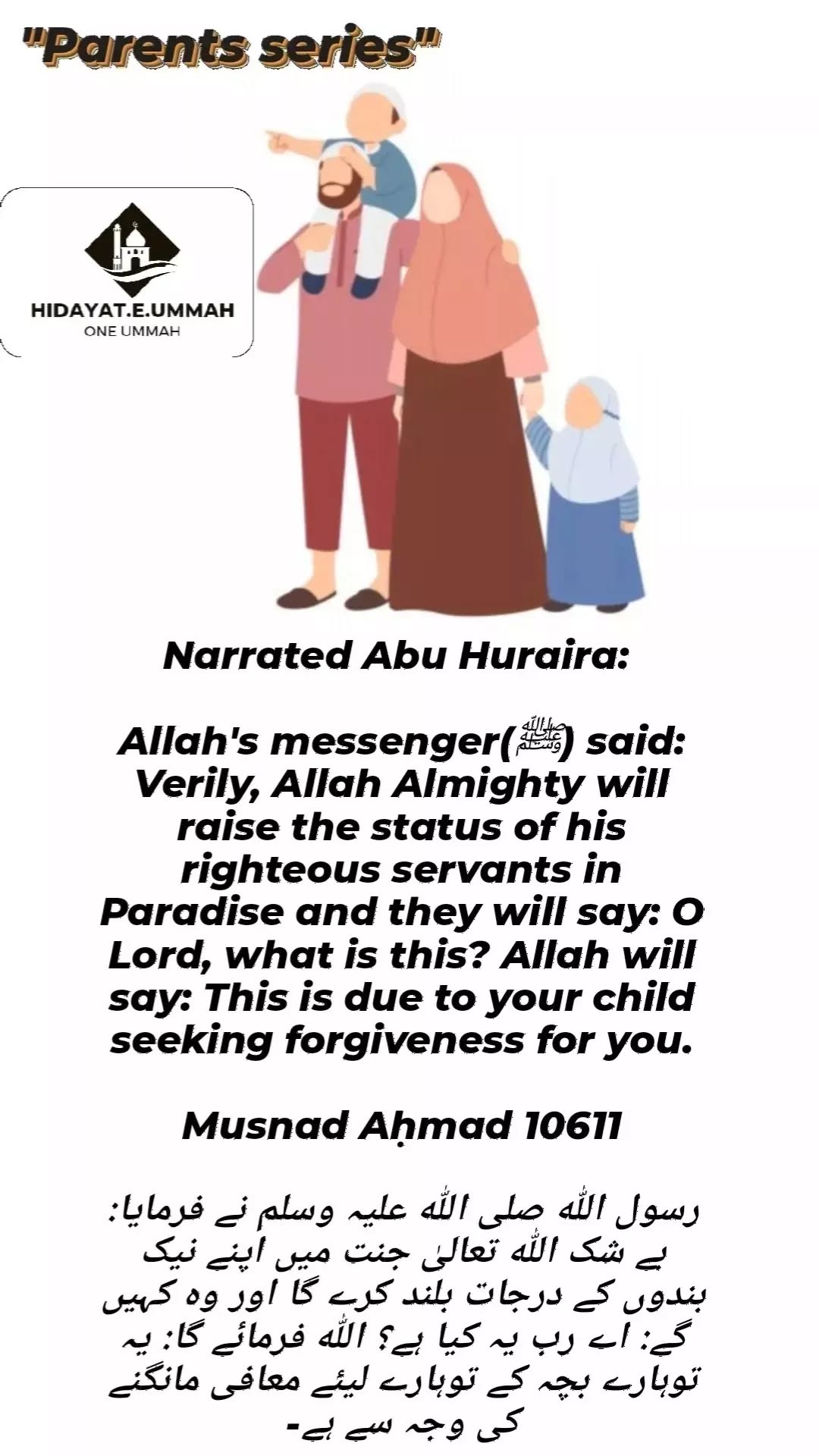
The strong man is not the one who wrestles others, but the one who controls himself when angry. – Prophet Muhammad (peace be upon him)
Hadith 14
14 of 14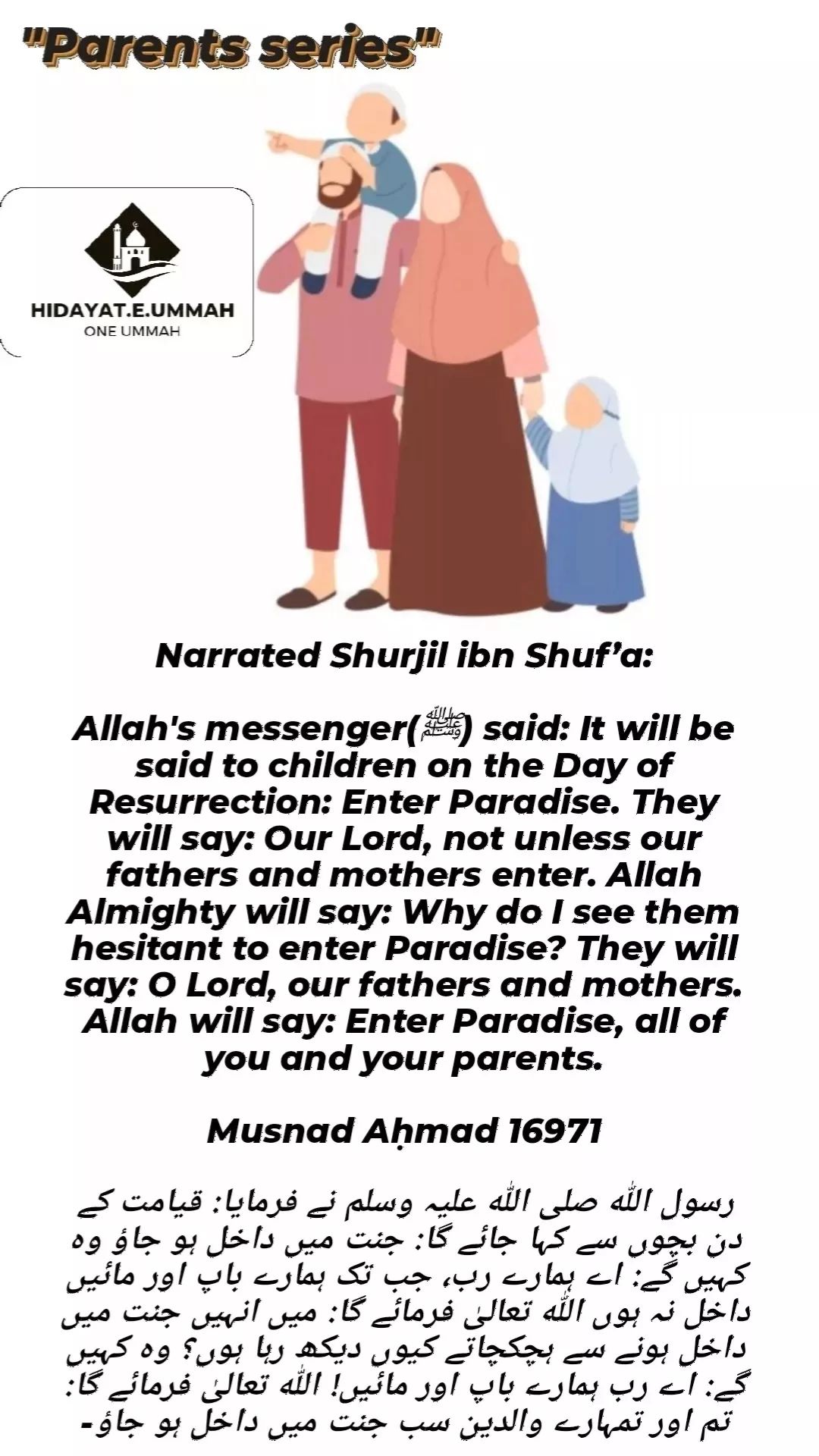
The strong man is not the one who wrestles others, but the one who controls himself when angry. – Prophet Muhammad (peace be upon him)